Belgian Jazz History: From Adolphe Sax to Global Influence
The story of jazz in Belgium is a fascinating journey that mirrors the evolution of the genre in its American birthplace. From the invention of a revolutionary instrument to the rise of world-renowned virtuosos, Belgium has played a pivotal role in shaping the European jazz landscape. The country's relationship with jazz began long before the genre was formally recognized, rooted in technical innovation and a deep appreciation for syncopated rhythms.
One of the most significant contributions to the global jazz sound came from the Dinant instrument maker Adolphe Sax. His invention, the saxophone, became a staple of New Orleans military bands around 1900, eventually evolving into the definitive instrument of jazz. This technical foundation set the stage for Belgium to become a hub for jazz experimentation and performance.
Key Facts
- Foundational Instrument: The saxophone, invented by Belgian Adolphe Sax, became the primary instrument of jazz.
- Pioneering Figures: Félix-Robert Faecq and Robert Goffin were instrumental in popularizing jazz in Belgium after WWI.
- First Recording: The first historical Belgian jazz recording was made in London on June 17, 1927, by Charles Remue and His New Stompers.
- Global Icons: Belgium produced world-class talents including Toots Thielemans, Philip Catherine, and the legendary Django Reinhardt.
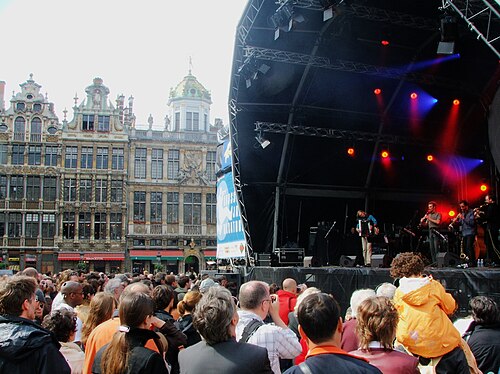
- Cultural Hubs: Brussels, Antwerp, and Liège served as the primary centers for jazz development for decades.
The Pre-Jazz Era and Early Innovations (1851–1918)
The period between 1851 and 1912 is known as the Pre-Jazz period. During the late 19th century, the emergence of recording technology was crucial. In 1877, Thomas Edison developed the phonograph, which was exhibited in Brussels the following year at the 'Panopcticum de Monsieur Castan'. Because Belgium lacked its own recording studios until after World War I, the music of this era spread via foreign labels like Colombia, Zonophone, and Favorite.
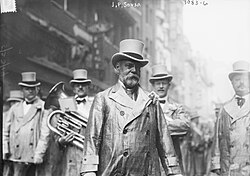
The saxophone's popularity grew through the efforts of Belgian virtuosos. Jean Moermans, a member of Sousa's Orchestra, helped elevate the instrument's status. Belgian musicians were among the first to record saxophone solos in the United States; Eugene Coffin recorded on wax cylinders between 1895 and 1896, and Jean Moermans recorded on a gramophone in Washington D.C. in 1897.
The Rise of Jazz and the Golden Age (1918–1940)
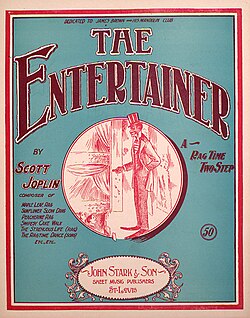
Jazz gained widespread popularity in Belgium after World War I, largely driven by Félix Faecq and Robert Goffin. Faecq was introduced to the music by American and Canadian soldiers, while Goffin discovered ragtime—a precursor to jazz characterized by syncopated rhythms—through soldiers singing songs like "Are you from Dixie?"
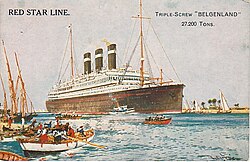
The arrival of Mitchell's Jazz Kings, a black New York jazz band, on January 24, 1920, at the Théâtre de L'Alahambra in Brussels, marked a turning point. This event was the first time the word "jazz" appeared on a Belgian poster. Following this, white jazz bands like "The Georgians," led by pioneer Charles Remue, introduced the Dixieland style to the country.
The First Recordings and Radio Influence
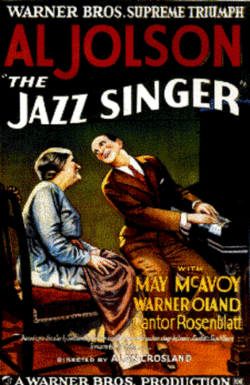
In 1927, the same year The Jazz Singer hit cinemas, Félix Faecq discovered Charles Remue and his "New Stompers." He brought the group to London, where they recorded fourteen songs on June 17, 1927, creating the first historical Belgian jazz recording. The session included musicians like Alfons Cockx, Gaston Frederic, and Stan Brendus.
By 1930, the founding of the NIR/INR (National Institute for Radio Broadcasting) brought American records into Belgian homes. In 1932, Faecq established the "Jazz Club de Belgique," and Goffin began publishing books on the genre, including a dedicated work on the "true genius of jazz," Louis Armstrong.
The Swing Era and Big Bands
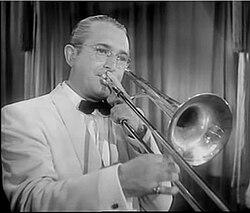
The 1930s saw the rise of the Swing era, characterized by large ensembles known as big bands. Belgian musicians were heavily inspired by American orchestras. By 1936, three major Belgian big bands emerged: those led by Fud Candrix, Stan Brenders, and Jean Omer. Jean Omer's nightclub, Le Boeuf sur le toit, became a Brussels landmark where his 16-to-18-piece orchestra performed.
Post-War Evolution and Global Influence (1940–1960)
Following World War II, jazz continued to flourish. Legendary artists such as Duke Ellington, Count Basie, and Sidney Bechet toured Belgium. While swing remained popular in clubs, some musicians transitioned to bop (a more complex, faster style of jazz), while others returned to New Orleans Dixieland.
The Legacy of Django Reinhardt
One of the most influential figures in jazz history, Belgian gypsy guitarist Django Reinhardt, pioneered jazz manouche (gypsy jazz). After forming the Hot Club de France in 1934, he recorded the famous song "Nuages" in 1940 and later collaborated with Duke Ellington in the U.S. His influence persists today through the Django d'Or awards, hosted by the Gent Jazz Festival and Dinant Jazz Nights.
Cool Jazz and Modernism
The 1950s introduced cool jazz, a more relaxed and arranged style. Belgian musicians like Bobby Jaspar and René Thomas found success in New York, recording with icons such as Miles Davis and Sonny Rollins. Meanwhile, Jack Sels led the All Stars Bop Orchestra, blending Afro-Cuban influences into the Belgian scene.
Contemporary Jazz and Legacy
From the 1960s through the 1980s, jazz became an international language. While the 1970s saw a fragmentation of styles, the 1980s brought a revival fueled by the introduction of the compact disc, which made classic labels like Blue Note and Verve accessible again.
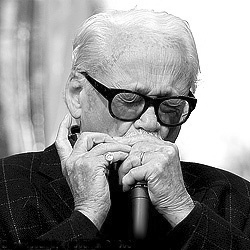
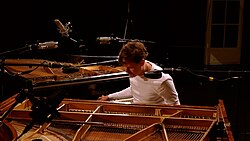
Today, Belgium continues to produce world-class talent. From the Brussels Jazz Orchestra to modern innovators like Jef Neve, the tradition spans multiple genres, including jazz rock, avant-garde, and Latin jazz. Toots Thielemans remained a towering figure in the scene until his later years, performing globally at venues like the Blue Note in New York.
| Period | Key Characteristics | Notable Figures/Events |
|---|---|---|
| Pre-Jazz (1851–1912) | Invention of saxophone; early phonographs | Adolphe Sax, Jean Moermans |
| Early Jazz (1920s) | Arrival of New York bands; first recordings | Mitchell's Jazz Kings, Charles Remue |
| Swing Era (1930s) | Big bands; radio broadcasting | Fud Candrix, Stan Brenders, Jean Omer |
| Post-War (1940s–50s) | Bop, Cool Jazz, and Gypsy Jazz | Django Reinhardt, Toots Thielemans |
| Modern Era (1980s–Present) | Stylistic diversity; CD revival; festivals | Philip Catherine, Jef Neve |
Frequently Asked Questions
Who is the most influential Belgian figure in jazz history?
While many contributed, Adolphe Sax is foundational for inventing the saxophone, and Django Reinhardt is globally recognized as one of the most influential guitarists for creating the jazz manouche style.
When was the first Belgian jazz record made?
The first historical Belgian jazz recording took place on June 17, 1927, in London, featuring Charles Remue and His New Stompers Orchestra.
What is 'jazz manouche'?
Jazz manouche, or gypsy jazz, is a style pioneered by Django Reinhardt that blends swing jazz with Romani musical traditions.
Which cities were the primary centers for jazz in Belgium?
Brussels, Antwerp, and Liège were the main hubs of development, with coastal cities like Ostend also becoming popular destinations for jazz during the summer months.
What are the Django d'Or awards?
The Django d'Or awards are prestigious prizes honoring deserving jazz musicians, originally started in Paris and now organized in Belgium by the Gent Jazz Festival and Dinant Jazz Nights.