Bars: A Comprehensive Look at Drinking Establishments and Their Culture
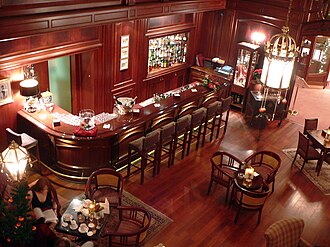
A bar—also referred to as a saloon, tavern, tippling house, pub, or club—is a retail business dedicated to serving alcoholic beverages. While their primary focus is on beer, wine, liquor, and cocktails, these establishments also provide non-alcoholic options such as soft drinks and mineral water. To complement the drinks, many bars offer snacks like peanuts or chips, and some, particularly pubs, provide full restaurant menus.
The term "bar" is a synecdoche, meaning it refers to both the specific countertop where drinks are prepared and the entire establishment itself. Etymologically, the name derives from the physical metal or wooden barrier that separates the bartender from the customers.
Key Facts
- Definition: A retail business serving alcoholic and non-alcoholic beverages.
- Terminology: The name comes from the physical barrier (counter) used for service.
- Variety: Ranges from upscale cocktail lounges to informal dive bars and specialized music venues.
- Legal Status: Subject to strict regional laws regarding age, intoxication, and licensing.
- Global Differences: Some Islamic countries prohibit bars entirely, while others restrict them to non-Muslims in specific zones.
The History of Public Drinking Spaces
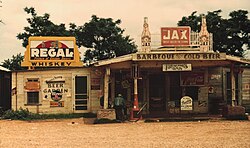
Public spaces for drinking have evolved significantly over centuries. In the early North American Thirteen Colonies, the tavern served as a vital community meeting place. By the 19th century, saloons became central to the leisure and social lives of the working class.
The 20th century saw periods of prohibition in several countries. In the United States, this era gave rise to illegal drinking establishments known as speakeasies, "blind pigs," and "blind tigers." Despite these historical shifts in naming and legality, the area where beverages are mixed remains universally known as "the bar."
Legal Restrictions and Regulations
The operation of bars is heavily regulated by local and national laws. In the United States, states like California prohibit minors from entering bars entirely. Conversely, in the UK, minors may enter bars, particularly those that serve food, though they are generally forbidden from drinking alcohol. Interestingly, eight U.S. states allow children to drink in a pub if they are accompanied by their parents.
Other common legal restrictions include:
- Intoxication: Many jurisdictions forbid bartenders from serving patrons who are already intoxicated.
- Licensing: Some establishments may only hold licenses for beer and wine, excluding hard liquor.
- Zoning: Cities often restrict where bars can be located.
- Liability: In some regions, owners are legally liable for the conduct of their patrons, especially in cases of driving under the influence.
Types of Bars
While owners set the initial décor and menu to attract a specific demographic, the actual clientele can shift over time. For instance, a blues bar might evolve into a biker bar if it becomes popular with that community. Bars are often integrated into larger venues like casinos, hotels, and nightclubs.
Specialized Establishments
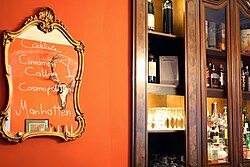
- Cocktail Lounge: An upscale venue typically found in airports, restaurants, or hotels.
- Wine Bar: Focuses on wine, often allowing patrons to taste varieties before purchasing.
- Beer Bar & Brew Pub: Beer bars focus on craft selections; brew pubs produce their own beer on-site.
- Dive Bar: An informal, sometimes disreputable, low-frills establishment.
- Fern Bar: An American slang term for a preppy or upscale bar.
- Non-Alcoholic Bar: A venue that serves no alcoholic beverages.
- Bar and Grill: A hybrid establishment that functions as both a bar and a restaurant.
Entertainment and Theming
Many bars differentiate themselves through specific entertainment offerings:
- Music and Performance: This includes piano bars, blues bars, karaoke bars, and drag bars.
- Activity-Based: Arcade bars feature video game consoles, while sports bars use memorabilia and multiple televisions to broadcast games.
- Atmospheric: Tiki bars create an immersive tropical environment with exotica music, nautical décor, and soft lighting.
- Dance-Centric: Salsa bars and dance bars focus on movement. If a venue prioritizes a large dance floor and professional DJs over seated drinking, it is typically classified as a nightclub.
- Adult Entertainment: Strip clubs and topless bars (known as dance bars in India) feature nude or semi-nude entertainers.
Summary of Bar Classifications
| Type | Primary Focus | Key Characteristic |
|---|---|---|
| Brew Pub | Craft Beer | On-site brewery |
| Wine Bar | Wine | Tasting options and small plates |
| Dive Bar | Informal Drinking | Unpretentious, basic atmosphere |
| Cocktail Lounge | Mixed Drinks | Upscale, often in hotels/airports |
| Sports Bar | Athletic Events | Multiple TVs and memorabilia |
| Tiki Bar | Tropical Theme | Immersive décor and exotic cocktails |
Bars in Popular Culture
Because they serve as social hubs, bars are frequent settings in fiction. Notable imaginary bars include the Cheers bar, the Mos Eisley cantina from Star Wars, the Korova Milk Bar from A Clockwork Orange, and the Copacabana from Goodfellas.
Frequently Asked Questions
What is the difference between a bar and a pub?
While the terms are often used interchangeably, a pub (short for public house) frequently serves food from a restaurant menu and may have different legal rules regarding the entry of minors compared to a standard bar.
Where does the word "bar" come from?
The term originates from the physical metal or wooden barrier (the counter) that separates the customer from the bartender.
What is a speakeasy?
A speakeasy was an illegal bar that operated during the Prohibition era in the United States when the sale of alcohol was banned.
Can minors enter bars?
This depends on the jurisdiction. In some U.S. states, minors are prohibited from entering. In the UK, they are generally allowed, though they cannot drink. In eight U.S. states, children may drink in a pub if accompanied by a parent.
What defines a dive bar?
A dive bar is characterized by its very informal atmosphere and is sometimes viewed as disreputable or unpretentious.