BAL Leukemia: Genetic Mechanisms and Clinical Manifestations
Biphenotypic Acute Leukemia (BAL) is a complex hematologic malignancy driven by specific genetic mutations that disrupt normal blood cell production. By altering the molecular signaling within cells, these mutations transform healthy precursors into aggressive leukemia cells, leading to systemic health failures.
Key Facts
- t(9;22) and MLL gene rearrangements at 11q23 are the most common genetic abnormalities in BAL.
- The BCR-ABL hybrid gene acts as a potent oncogene, activating multiple growth and survival pathways.
- MLL encodes a histone-lysine N-methyltransferase (HRX), which regulates gene transcription.
- Clinical symptoms include bruising, anemia, and persistent infections due to the failure of normal hematopoiesis.
The Role of t(9;22) Translocation
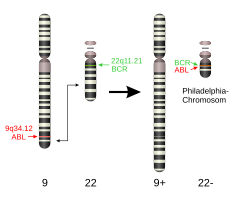
One of the primary drivers of BAL is the t(9;22) translocation, a genetic swap between chromosomes 9 and 22. This process affects the ABL gene at 9q34 and the BCR gene at 22q11, resulting in the creation of the ABL/BCR hybrid gene. This hybrid product is an oncogene—a gene that has the potential to cause cancer.
Molecular Signaling Pathways
The BCR/ABL protein triggers several critical molecular pathways that promote the survival and proliferation of leukemia cells:
- RAS Signaling: Activated via the GRB2 adaptor protein, which interacts with Y177 of the BCR.
- PI3-K Pathway: Activated through AKT/PKB, contributing to cell growth.
- STAT Signaling: STAT5, 1, and 6 are major molecular events activated by BCR/ABL.
- Focal Adhesion Complex: BCR/ABL activates PAXILLIN and FAK0 using the adaptor molecule CRK-L.
- Anti-Apoptotic Activity: The PI64K/Akt/STAT5 pathway is activated to prevent programmed cell death (apoptosis).
Progression and Cellular Behavior
BCR/ABL also inactivates negative regulatory molecules, specifically PTP1B and Abi-1. The inactivation of these regulators is closely linked to the progression of the disease into a blast crisis. Furthermore, these mutations cause abnormal responses to the chemokine SDF-1, leading to defects in how cells adhere to and migrate through tissues.
MLL Gene Rearrangements
Another significant driver in BAL is the rearrangement of the MLL gene located at 11q23. The MLL gene encodes Histone-lysine N-methyltransferase (HRX), an enzyme that modifies histones to act as a positive regulator for gene transcription.
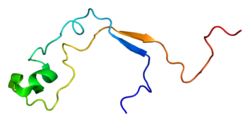
The MLL protein associates with several other factors to regulate genes, including Host cell factor C1, CREB binding protein, WDR5, CTBP, and MEN1. Rearrangements of the MLL gene are associated with various aggressive acute leukemias and are the primary cause of most biphenotypic leukemias found in children.
Other Genetic Abnormalities and Clinical Impact
While t(9;22) and MLL are prominent, other genetic abnormalities have been reported in BAL patients, including t(8;21), t(15;17), del(6q), del(12p), t(x;12), and t(14;19).
These genetic disruptions lead to severe clinical manifestations by suppressing the production of healthy blood cells:
- Thrombocytopenia: A decrease in megakaryocytes (cells that produce platelets) leads to a lack of platelets, making patients prone to spotting and bruising.
- Anemia: A reduction in metrocytes (cells that produce red blood cells) results in a lack of red blood cells, causing dizziness during exercise or walking and asthma.
- Immunodeficiency: Because the majority of white blood cells are non-functional leukemia cells, patients suffer from decreased immunity, leading to persistent fevers, infections, and prolonged healing times.
| Feature | Genetic/Biological Driver | Clinical/Molecular Effect |
|---|---|---|
| t(9;22) Translocation | BCR-ABL Hybrid Gene | Activates RAS, PI3-K, and STAT pathways; inhibits PTP1B/Abi-1 |
| MLL Rearrangement | 11q23 / HRX Enzyme | Dysregulated gene transcription; common in pediatric BAL |
| Platelet Deficiency | Megakaryocyte reduction | Bruising and spotting |
| Red Cell Deficiency | Metrocyte reduction | Anemia, dizziness, and asthma |
| Immune Failure | Leukemic white cell dominance | Persistent fever and slow wound healing |
Frequently Asked Questions
What is the BCR-ABL hybrid gene?
The BCR-ABL hybrid gene is an oncogene created by the t(9;22) translocation, where parts of chromosomes 9 and 22 swap. This gene produces a protein that activates multiple signaling pathways, driving the uncontrolled growth of leukemia cells.
How does the MLL gene contribute to leukemia?
The MLL gene encodes a histone methyltransferase (HRX) that regulates gene transcription. When this gene is rearranged, it can lead to aggressive forms of acute leukemia, particularly biphenotypic leukemia in children.
Why do BAL patients experience easy bruising?
Bruising and spotting occur because the disease reduces the number of megakaryocytes, which are the cells responsible for producing platelets. Without enough platelets, the blood cannot clot effectively.
What causes the persistent fever and infections in BAL?
In BAL, the majority of white blood cells are malignant leukemia cells. These cells do not function like normal white blood cells, leaving the patient with a severely weakened immune system and a higher susceptibility to infection.
What is the significance of the blast crisis in BCR/ABL?
The progression into a blast crisis is associated with the inactivation of negative regulatory molecules such as PTP1B and Abi-1 by the BCR/ABL protein, leading to a more aggressive stage of the disease.