Aztec Social Classes: The Hierarchy of the Mexica Empire
The social structure of the Aztec Empire was a sophisticated system that balanced hereditary privilege with opportunities for advancement. At its core, the society was divided into distinct strata that determined an individual's education, clothing, and role within the state. This hierarchy ensured that the empire remained organized while maintaining a clear distinction between the ruling elite and the general population.
The Upper Class: The Pipiltin
The foundation of the Aztec aristocracy began with Acamapichtli, the first ruler, who was chosen for his purported Toltec lineage—a heritage highly valued by the Mexicans. His descendants formed the noble class known as the pipiltin (singular: pilli). This established a lasting tradition where future monarchs were consistently selected from the ranks of the pipiltin, cementing their status as the aristocratic elite.
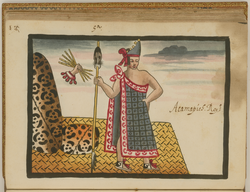
While ruling positions were not strictly hereditary, preference was heavily weighted toward those from royal families. Initially, pipiltin status was not passed down automatically; however, because the sons of nobles had access to superior resources and education, they found it significantly easier to attain noble status themselves. Over time, the class system evolved to become more hereditary.
Being a member of the pipiltin came with exclusive privileges. Nobles were allowed to wear elaborate attire, embellish their homes, and access advanced educational opportunities. While they were the primary candidates for high-ranking governmental roles, not every noble held power; some worked as palace servants or skilled craftsmen. Notably, the system allowed for social mobility, as individuals could rise through the ranks by demonstrating exceptional service to the state.
The Lower Classes: Macehualtin and Tlacotin
Below the nobility were the macehualtin, the common people. Originally characterized as peasants, the role of the macehualtin shifted as the empire grew. According to estimates by Eduardo Noguera, in the later stages of the empire, only 20% of the population was dedicated to agriculture and food production, while the remaining 80% served as artisans, traders, or warriors.
At the bottom of the social hierarchy were the tlacotin, or slaves. Slavery in Aztec society was diverse in its origins; individuals could become tlacotin as a punishment for crimes, as captives of war, or due to unpaid debts. In cases of extreme economic hardship, some individuals even sold themselves or their children into slavery.
Unlike many other historical systems of servitude, Aztec slavery was not necessarily a permanent or hereditary condition. Tlacotin could regain their freedom by repaying their purchase price. Furthermore, they maintained certain rights: they could marry, own property, and even own other slaves. Crucially, the children of slaves were born free.
The Pochteca: The Elite Merchants
Operating somewhat outside the standard class divide were the pochteca. These traveling merchants formed a small but influential class. Beyond facilitating commerce, the pochteca served as the eyes and ears of the empire, communicating vital information across borders and frequently acting as spies for the state.
Key Facts
- Acamapichtli established the noble lineage based on Toltec heritage.
- The pipiltin were the nobles who held exclusive rights to certain clothing and housing.
- The macehualtin comprised the bulk of the population, with 80% serving as warriors, traders, or artisans in later periods.
- Tlacotin (slaves) could own property and their children were born free.
- Pochteca were specialized merchants who also functioned as imperial spies.
| Class Name | Primary Role | Key Characteristics |
|---|---|---|
| Pipiltin | Nobility / Government | Access to high education, elaborate dress, and royal lineage. |
| Pochteca | Merchants / Spies | Facilitated trade and gathered intelligence. |
| Macehualtin | Commoners | Farmers, artisans, and warriors. |
| Tlacotin | Slaves | Entered via debt, crime, or war; could buy their freedom. |
Frequently Asked Questions
Was the Aztec noble class strictly hereditary?
Initially, pipiltin status was not hereditary. However, because the children of nobles had better access to education and resources, they were more likely to become nobles themselves, leading the system to become more hereditary over time.
Could a slave in Aztec society become free?
Yes, tlacotin could free themselves by repaying the price paid for them. Additionally, the children of slaves were born free regardless of their parents' status.
What was the role of the pochteca beyond trading?
The pochteca were essential for communication across the empire and beyond its borders, often serving as spies to provide the state with vital intelligence.
Did all nobles hold positions of power?
No. While the pipiltin had the privilege to assume governmental roles, some chose or were relegated to careers as craftsmen or palace servants.
What percentage of the common class worked in agriculture?
In the later stages of the empire, Eduardo Noguera estimates that only 20% of the population was dedicated to food production and agriculture.