Asian Latin Americans: History, Demographics, and Cultural Impact
The presence of people of Asian descent in Latin America is a testament to global migration patterns and the blending of diverse cultures. With a total population of approximately 7 million people, the Asian diaspora in this region has significantly influenced the social, political, and economic landscapes of numerous countries, from the vast plains of Brazil to the Andean heights of Peru.
Key Facts
- Total Population: Approximately 7,000,000 people of Asian descent across Latin America.
- Largest Communities: Brazil and Peru host the most significant populations.
- Primary Ancestries: Predominantly Chinese and Japanese, with significant Korean, Filipino, and South Asian presence.
- Religious Diversity: Includes Christianity, Buddhism, Taoism, Shintoism, Islam, Zoroastrianism, Hinduism, Sikhism, and Jainism.
- Notable Influence: Strong contributions to politics, sports, arts, and science across the region.
Demographic Distribution
The distribution of Asian populations in Latin America varies widely by country. Brazil holds the largest self-identified East Asian population, while Peru has a massive estimated population, largely of Chinese origin.
| Country | Estimated Population | Primary Ancestry Groups |
|---|---|---|
| Brazil | 3,000,000 | Japanese, Chinese, Korean |
| Peru | 2,700,000 | Chinese, Japanese |
| Mexico | 1,000,000 | Chinese, Japanese, Filipino |
| Venezuela | 500,000 | Japanese, Lebanese |
| Argentina | 344,130 | Japanese, Korean |
| Colombia | 213,910 | Filipino, Korean |
Regional Hubs and Communities
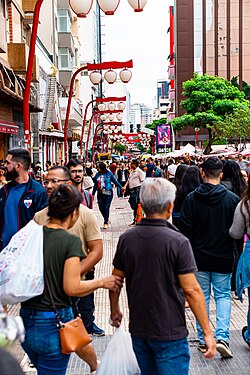
In many cities, these communities have established distinct neighborhoods. For example, the Liberdade neighborhood in São Paulo serves as a "Little Tokyo," preserving Japanese heritage in the heart of Brazil.
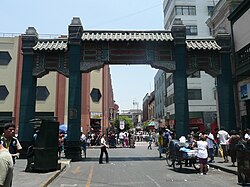
Similarly, Lima, Peru, is home to a vibrant Chinatown, reflecting the deep historical roots of Chinese immigrants who arrived to work in various sectors, including agriculture.
Historical Context and Labor
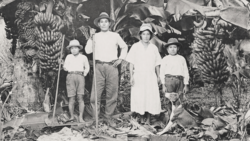
The migration of Asians to Latin America was often driven by labor demands. In the late 19th century, many Chinese immigrants were brought to Peru to work in the cotton crops, facing challenging conditions as they helped build the local economy.

Japanese immigration was particularly prominent in Brazil, creating a unique cultural synthesis. Over time, some of these populations experienced return migration. By 2004, approximately 250,000 Japanese Brazilians had moved back to Japan, forming the country's second-largest immigrant group.
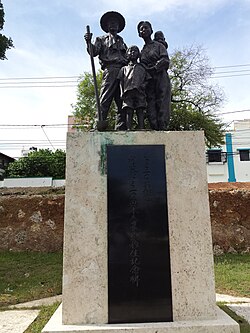
In the Dominican Republic, the Japanese presence is commemorated through landmarks such as the Paseo Bellini, a monument dedicated to Japanese immigration in Santo Domingo.
Notable Figures and Contributions
People of Asian descent have reached the highest levels of leadership and achievement in Latin American societies. In Peru, Alberto Fujimori served as President from 1990 to 2000. In El Salvador, President Nayib Bukele is of Palestinian descent.
The arts and sports have also seen immense contributions. From the global fame of singer Shakira (of partial Lebanese descent) to the athletic prowess of Japanese Brazilians in judo and football, the influence is pervasive. In the scientific community, figures like former NASA astronaut Franklin Chang-Diaz (of Chinese Spanish Costa Rican descent) highlight the intellectual contributions of this diaspora.
Frequently Asked Questions
Which Latin American country has the largest population of Asian descent?
Brazil has the largest population, with approximately 3 million people self-identifying as having East Asian ancestry, predominantly Japanese.
What are the primary Asian ethnic groups in Latin America?
The most prominent groups are Chinese and Japanese, followed by significant populations of Koreans, Filipinos, and people of Lebanese and Palestinian descent.
What is the significance of the Liberdade neighborhood?
Located in São Paulo, Brazil, Liberdade is known as a "Little Tokyo" and serves as a cultural hub for the Japanese community and a center for East Asian culture in the city.
How did Asian immigrants contribute to the economy of Peru?
Many early Chinese immigrants provided essential labor in the agricultural sector, specifically working in cotton crops during the late 1800s.
Are there significant Asian populations in Central America?
Yes, though smaller than in South America. Countries like Panama, Guatemala, and Costa Rica have notable populations, particularly of Chinese descent.