Asahi Shimbun: A History of Japan's Leading Liberal Daily
Since its inception in the late 19th century, the Asahi Shimbun has established itself as one of the most influential media institutions in Japan. As a major national daily, it plays a central role in the country's political and social discourse, known for its liberal-leaning perspective and extensive reach.
Today, the Asahi Shimbun stands as one of the five largest newspapers in Japan, alongside the Yomiuri Shimbun, Mainichi Shimbun, Nihon Keizai Shimbun, and Chunichi Shimbun. In terms of print circulation, it holds the distinction of being the second largest newspaper in the world, trailing only the Yomiuri Shimbun.

Key Facts
- Founded: January 25, 1879
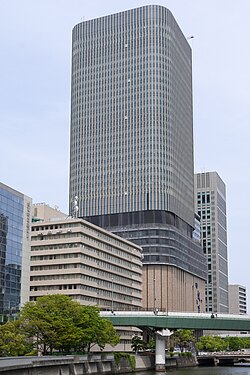
- Headquarters: Nakanoshima, Kita-ku, Osaka, Japan
- Political Alignment: Liberalism / Social liberalism (Centre-left)
- Morning Circulation: 3,264,440 (as of June 2025)
- Evening Circulation: 892,295 (as of June 2025)
- Primary Language: Japanese (English available via Asia & Japan Watch)
The Evolution of a National Institution
Early Years and Growth
The Asahi Shimbun began its journey in Osaka on January 25, 1879. Originally, it was a small-print, four-page illustrated paper that cost just one sen per copy and maintained a modest circulation of approximately 3,000. The founding team included Kimura Noboru, Murayama Ryōhei, and Tsuda Tei.
The paper underwent significant transformations in its early decades. In 1881, it transitioned to an all-news format and welcomed Ueno Riichi as a co-owner. By 1888, the publication expanded to Tokyo with the launch of the Tokyo Asahi Shimbun. A notable moment in its literary history occurred in 1907, when the famous writer Natsume Sōseki joined the Tokyo office after achieving fame for his novels.

In 1908, the Osaka and Tokyo branches merged to form a single unified corporation: Asahi Shimbun Gōshi Kaisha. This merger solidified the foundation for what would become a national media powerhouse.
Post-War Era and Global Reach
Following World War II, the newspaper continued to evolve its international presence. Between 1954 and 1971, it published a glossy English-language annual titled This is Japan. Later, a partnership with the International Herald Tribune led to the publication of the International Herald Tribune/Asahi Shimbun from 2001 to 2011.
While the print partnership ended, the company maintains an international presence through its Asia & Japan Watch online portal, providing English-language news to a global audience.
Media Influence and Social Impact
Political Stance and Public Trust
The Asahi Shimbun is widely recognized for its social liberalism and centre-left political alignment. This stance has occasionally made it a target of criticism from Japan's political right. According to a 2018 Reuters Institute report, the paper faced challenges regarding public trust, partly due to the intense political scrutiny it receives.
Addressing Controversies
Throughout its history, the newspaper has navigated significant controversies. In 2014, the paper retracted certain historical reports regarding "comfort women," acknowledging that while no official documents proved direct military involvement in specific instances of forcible removal, the broader context of coercion and human trafficking remains a historical reality.
Additionally, following the 2011 Fukushima Daiichi nuclear disaster, the paper faced criticism for its initial reporting. In response, it established the Tokubetsu Hodobu (Special Reports Section) to strengthen its investigative journalism and ensure more independent coverage. This unit has since received multiple prestigious awards for its work.

Cultural and Academic Contributions
Beyond daily news, the Asahi Shimbun contributes to Japanese culture through several initiatives:
- Asahi Prize: Established in 1929, this award recognizes significant achievements in scholarship or the arts.
- Asahi Shimbun Asia Network (AAN): A think tank founded in 1999 to promote information exchange and research among scholars and journalists across Asia.
Summary of Asahi Shimbun Profile
| Category | Details |
|---|---|
| Type | Private Daily Newspaper |
| Format | Blanket (54.6 cm x 40.65 cm) |
| Founders | Murayama Ryōhei, Ueno Riichi |
| Major Owners | Murayama family, Ueno family, TV Asahi, Toppan |
| Key Divisions | Special Reports Section (Tokubetsu Hodobu), AAN |
Frequently Asked Questions
What is the political alignment of Asahi Shimbun?
The Asahi Shimbun is generally characterized by its liberalism and social liberal, centre-left political stance.
How large is the circulation of the Asahi Shimbun?
As of June 2025, the morning edition has a circulation of approximately 3,264,440, while the evening edition has a circulation of 892,295.
Does Asahi Shimbun provide news in English?
Yes, while the primary newspaper is in Japanese, the company operates the Asia & Japan Watch online portal for English-speaking readers.
What is the Asahi Prize?
The Asahi Prize is an award established in 1929 to honor achievements in the arts or scholarship that have made a lasting contribution to Japanese society and culture.
Where is the headquarters of Asahi Shimbun located?
The registered headquarters is located in Nakanoshima, Kita-ku, Osaka, Japan.