Armenians in Syria: History, Culture, and Community in Aleppo
The Armenian presence in Syria is a testament to resilience and cultural preservation. With a population estimated between 100,000 and 150,000 as of 2025, the community has established deep roots, particularly in the city of Aleppo. This community is a diverse tapestry of faith and language, speaking Western Armenian, Arabic, and Turkish, and adhering to the Armenian Apostolic, Catholic, and Evangelical traditions.
Key Facts
- Population: Estimated 100,000–150,000 (2025).
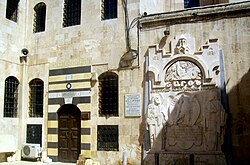
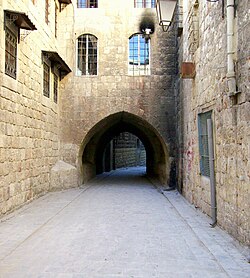
- Primary Hub: Aleppo serves as the central cultural and religious heart of the community.
- Religious Diversity: Divided among Apostolic, Catholic, and Evangelical denominations.
- Historical Influx: Significant population growth occurred following the 1915 Armenian Genocide.
- Educational Legacy: A robust network of schools, including the Karen Jeppe Armenian High School.
Historical Foundations and the 20th Century
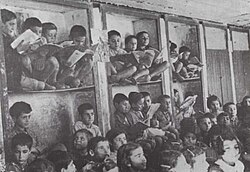
While Armenians have long been present in the region, the community's demographics shifted dramatically in the early 20th century. Following the Armenian Genocide and Assyrian Genocide of 1915, Aleppo became a sanctuary for refugees fleeing death camps in Deir ez-Zor and historic Armenia.
By 1922, Armenian refugees accounted for 12.76% of Aleppo's population (20,007 people). A second major wave arrived between 1923 and 1925 following the withdrawal of French troops from Cilicia, bringing over 40,000 additional refugees. By the end of 1925, Armenians constituted more than 25% of the city's residents.
Growth continued into the 1940s; by 1944, Armenians numbered 60,200, making up more than half of Aleppo's Christian community. However, this number declined after 1947 due to the Armenian Repatriation Process (1946–1967), which encouraged many to move to Soviet Armenia.
Religious Institutions and Governance
The spiritual life of Syrian Armenians is organized across three primary denominations, each with its own administrative structure and historic landmarks.
Armenian Apostolic Church
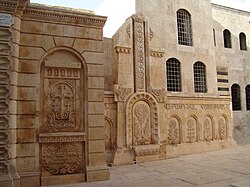
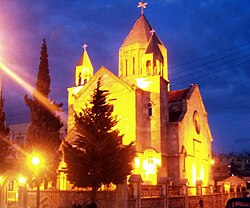
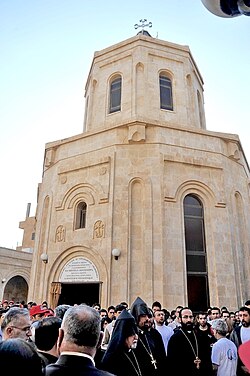
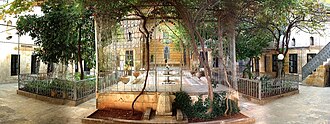
The Diocese of Beroea (Aleppo), founded in 1432 by the Great House of Cilicia, oversees approximately 70,000 Armenians across Syria. Its jurisdiction includes the historic Forty Martyrs Cathedral of Aleppo (1491) and the Armenian Genocide Martyrs' Memorial Church-Complex of Deir ez-Zor.
Armenian Catholic Church
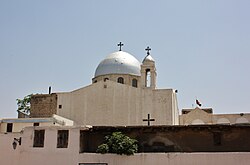
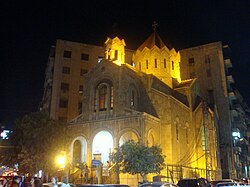
The Armenian Catholic community is managed through the Archeparchy of Aleppo and the Patriarchal Exarchate of Damascus. The Archeparchy, which has approximately 15,000 believers, includes the Cathedral of Our Mother of Reliefs (1840). In Damascus, the community is centered around the Notre-Dame Cathedral of the Universe.
Armenian Evangelical Church
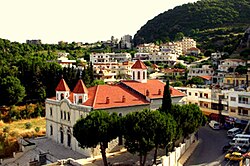
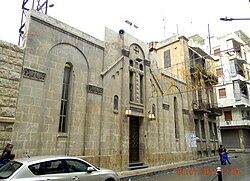
The Evangelical community maintains several churches in Aleppo, including the Emmanuel and Bethel churches, as well as a strong presence in the town of Kessab with the Holy Trinity Church.
Education and Cultural Preservation
Education has been the cornerstone of preserving Armenian identity in Syria. In Aleppo alone, nine schools operate, including several prominent high schools:
- Karen Jeppe Armenian High School: Opened in 1947 through the philanthropy of Karen Jeppe, it serves over 1,100 students.
- AGBU Lazar Najarian-Calouste Gulbenkian High School: Founded in 1954, it is one of the largest with over 1,500 students.
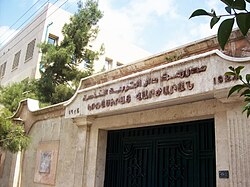
- Cilician Armenian High School: Established in 1921, it is located in the historic Jdeydeh quarter.
- Grtasirats Armenian High School: Founded in 1924, it features the large Zohrab Kaprielian theatre hall.
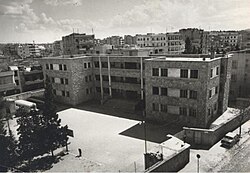
Beyond formal schooling, the community has fostered a rich artistic environment. Aleppo is home to numerous theatre groups (such as the Zavarian and Antranig groups), musical ensembles like the Gomidas Chamber Orchestra, and specialized art academies for painting and music.
Community Infrastructure and Social Life
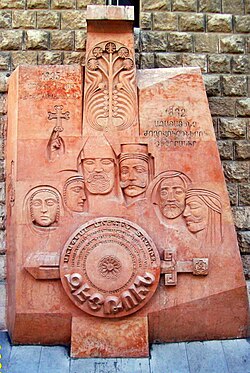
The Armenian community in Aleppo developed a comprehensive social support system. This includes charitable organizations like the Armenian General Benevolent Union (AGBU) and the National Orphanage (1920), as well as medical facilities such as the Robert Jebejian Ophthalmological Hospital, founded in 1952.
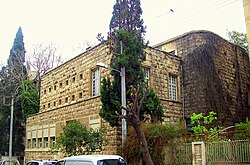
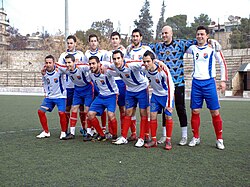
Sports have also played a vital role in integration. The Homenmen sports and scouting organization (1921) and the Ararat Sports Union (1923) provided athletic outlets. Armenian athletes have historically contributed to the Syrian national football team, with Avedis Kavlakian being recognized by the press as the best Syrian footballer of the 20th century.
Summary of Armenian Community Structures in Syria
| Category | Notable Examples | Key Locations |
|---|---|---|
| Religious | Forty Martyrs Cathedral, Surp Sarkis Cathedral | Aleppo, Damascus |
| Educational | Karen Jeppe College, Cilician High School | Aleppo |
| Charitable | AGBU, Armenian Syrian Red Cross | Aleppo |
| Cultural | Hamazkayin, Tekeyan Association | Aleppo |
| Medical | Robert Jebejian Hospital | Aleppo |
Frequently Asked Questions
How did the Armenian population in Aleppo grow in the early 20th century?
The population grew primarily due to two waves of refugees: the first between 1915 and 1922 following the Armenian Genocide, and the second between 1923 and 1925 after French troops withdrew from Cilicia.
What are the main religious denominations among Syrian Armenians?
The community is divided into three main branches: the Armenian Apostolic Church (the largest), the Armenian Catholic Church, and the Armenian Evangelical Church.
Which Armenian schools are most prominent in Aleppo?
The most prominent include the Karen Jeppe Armenian High School, the AGBU Lazar Najarian-Calouste Gulbenkian High School, the Cilician Armenian High School, and the Grtasirats Armenian High School.
What is the significance of Kessab to the Armenian community?
Kessab is a Syrian town with an Armenian majority and serves as a significant cultural and religious center, housing several Armenian churches and schools.
How has the community contributed to Syrian sports?
Armenians have been heavily involved in football, with players like Avedis Kavlakian and Kevork Mardikian representing Syria at a national level and achieving high acclaim in the sport.