Armenians in Cyprus: A Comprehensive History from Byzantium to the Present
The presence of Armenians in Cyprus is a story of resilience, trade, and cultural synthesis spanning over a millennium. From early Byzantine prisoners of war to modern political refugees, the Armenian community has consistently left an indelible mark on the island's social, economic, and religious landscape.
Key Facts
- Earliest Presence: Armenians arrived in the 6th century, initially as prisoners of war during the Byzantine era.
- Cultural Impact: Introduced various crafts, cinema, and iconic foods like baklava and bastourma to Cyprus.
- Official Status: Armenian was one of eleven official languages during the Latin era.
- Educational Legacy: The Melkonian Educational Institute was established to support orphans of the Armenian Genocide.
- Legal Recognition: Cyprus was the first European country to recognize the Armenian Genocide (1975).
- Current Population: Estimated at approximately 3,500 people.
The Byzantine Era (578–1191)
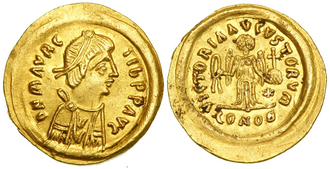
The Armenian connection to Cyprus began in the 6th century. Historical records from the Byzantine writer Theophylact Simocatta note that General Maurice the Cappadocian deported approximately 3,350 Armenian prisoners to the island following a campaign against the Persian King Chosroes I.
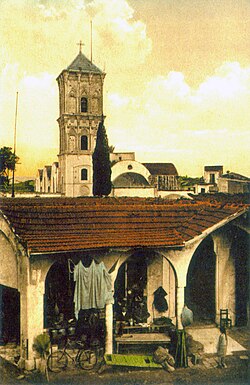
Over time, migration increased for political and commercial reasons, particularly during the reign of Emperor Heraclius and the pontificate of Catholicos Hovhannes III Odznetsi. Later, Armenian mercenaries were stationed on the island to provide protection against Arab raids. During the middle Byzantine period, Armenian leaders held significant power; for instance, Alexios Mousele (or Mousere) oversaw the construction of the Church of Saint Lazarus in Larnaca.
To serve the growing population, Catholicos Khatchig I established the Armenian Bishopric in Nicosia in 973. Ties strengthened further with the rise of the Kingdom of Cilicia. Between 1136 and 1138, Emperor John II Komnenos relocated the entire population of the Armenian city of Tell Hamdun to Cyprus. By 1185, following the marriage of Isaac Komnenos to the daughter of Prince Thoros II, Armenian nobles and warriors arrived, some of whom defended the island against Richard the Lionheart.
The Latin Era (1191–1570)
The purchase of Cyprus by Guy of Lusignan in 1192 sparked a wave of immigration from Europe, the Levant, and Cilicia. The Kingdom of Cyprus and the Kingdom of Cilicia became closely linked through royal marriages and trade. As Muslim attacks intensified in the east, thousands of Cilician Armenians sought refuge on the island, which served as a Christian bulwark.
The fall of the Armenian Kingdom of Cilicia in 1375 led to the arrival of its last king, Leo V, and a massive influx of 30,000 Armenians in 1403 following the conquest of Cilicia by Timur. During this period, Armenians dominated significant portions of commerce in Nicosia, Famagusta, Limassol, and Paphos. The community was so prominent that Armenian became one of the eleven official languages of the Kingdom of Cyprus.
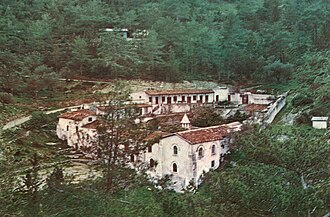
In Nicosia, Armenians lived in their own quarter known as Armenoyitonia (Armenia). They also established significant religious sites, including the Magaravank monastery (originally a Coptic monastery) in 1425 and the Notre Dame de Tyre nunnery before 1504.
However, the prosperity of the era declined under the Venetian administration, whose high taxes and tyrannical rule led to a population decrease. By the end of the Venetian period, Armenians were primarily concentrated in Famagusta, Nicosia, and the villages of Platani, Kornokipos, and Spathariko.
The Ottoman Era (1570–1878)
During the Ottoman conquest, roughly 40,000 Ottoman-Armenian craftsmen were recruited. Those who settled in Nicosia saw their Prelature recognized as an ethnarchy (a semi-autonomous administrative unit) under the millet system. While the bishopric in Famagusta was abolished, the Armenians of Nicosia were briefly granted the right to guard the Paphos Gate.
Unlike the Catholics, the Oriental Orthodox Armenians generally avoided religious persecution by the Ottomans. However, the population plummeted from 20,000 in the early Ottoman years to just 2,000 by 1630. Many Christians became Linobambaki (Crypto-Christians), hiding their faith to avoid onerous taxation.
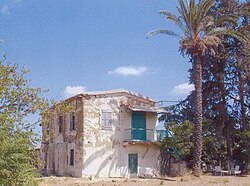
The 19th century brought gradual improvements during the Tanzimat period (a series of Ottoman reforms). The Armenian Bishop joined the Administrative Council in 1840, and the first Armenian school was established in Nicosia in 1870. By the end of the century, the community numbered between 150 and 250 people.
The British Era (1878–1960)
British administration provided a period of strengthening for the community. Armenians, valued for their linguistic skills, often served as interpreters and public servants. The community grew significantly following the Armenian Genocide, as Cyprus welcomed over 10,000 refugees from Smyrna, Constantinople, and Cilicia, with 1,500 settling permanently.
These newcomers introduced a wealth of new skills and cultural elements to Cyprus. They were the island's first locksmiths, watchmakers, and cinema operators. They also revolutionized Cypriot cuisine, introducing dishes such as bastourma, baklava, lahmadjoun, and halva, as well as specialized embroidery techniques like Aintab and Marash work.
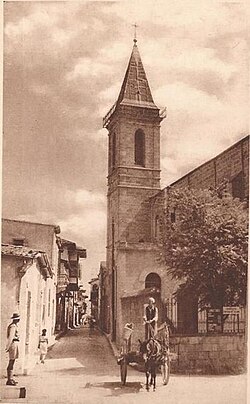
A landmark achievement of this era was the Melkonian Educational Institute, built between 1924 and 1926 through the donation of brothers Krikor and Garabed Melkonian. Originally an orphanage for 500 survivors of the genocide, it evolved into a world-renowned secondary school.
Independence and the Modern Era (1960–Present)
Upon independence in 1960, Armenians were constitutionally recognized as a "religious group." However, the community size decreased as many emigrated to the United Kingdom or repatriated to Soviet Armenia.
The intercommunal crisis of 1963–1964 was devastating. The Armenian quarter of Nicosia fell into the Turkish Cypriot-controlled area, resulting in the loss of the prelature, the Melikian-Ouzounian school, and several churches. Further losses occurred during the 1974 Turkish invasion, including the capture of the Magaravank monastery and the bombing of the Melkonian boys' dormitory.
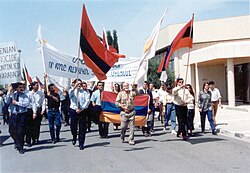
Despite these hardships, the community recovered with government support. In 1975, Cyprus became the first European nation to recognize the Armenian Genocide. In 2002, the Armenian language was officially recognized as a minority language of Cyprus. Today, the community consists of approximately 3,500 people, bolstered by more recent immigrants from Lebanon, Syria, Iran, and the former Soviet Union.
| Era | Key Drivers of Migration | Major Contributions/Events | Status of Community |
|---|---|---|---|
| Byzantine | War prisoners, mercenaries, political exile | Establishment of Nicosia Bishopric (973) | Growing presence |
| Latin | Refugees from Cilicia, royal marriages | Armenian as an official language | Commercial dominance |
| Ottoman | Craftsmen, silk traders | Millet system recognition | Significant decline |
| British | Genocide refugees | Introduction of new crafts and cuisine | Cultural flourishing |
| Independence | Political/Economic immigrants | Genocide recognition (1975) | Recovery and integration |
Frequently Asked Questions
How did Armenians first arrive in Cyprus?
Armenians first arrived in the 6th century, primarily as prisoners of war. Specifically, Byzantine General Maurice the Cappadocian deported about 3,350 Armenians to the island after a campaign against the Persian King Chosroes I.
What culinary contributions did Armenians bring to Cyprus?
Armenian refugees introduced several staples to Cypriot cuisine, including baklava, bastourma, lahmadjoun, halva, koubes, and pompes, as well as dried apricots and gassosa.
What was the Melkonian Educational Institute?
Established between 1924 and 1926 via a donation from the Melkonian brothers, it began as an orphanage for 500 children orphaned by the Armenian Genocide before becoming a prestigious secondary boarding school.
How did the 1963-1964 crisis affect the community?
The community suffered major losses as the Armenian quarter of Nicosia fell into the Turkish Cypriot-controlled area. This resulted in the loss of the prelature, the Armenian Evangelical church, and numerous businesses, forcing hundreds to emigrate.
Is the Armenian language recognized in Cyprus today?
Yes, the Armenian language was officially recognized as a minority language of Cyprus on December 1, 2002, in accordance with the European Charter for Regional or Minority Languages.