Argentine Rock: The Evolution of Rock Nacional
Argentine rock, known locally as rock nacional, represents the earliest incarnation of Spanish-language rock. While it began by adapting English-language rock and roll hits, it evolved into a powerful cultural movement defined by its insistence on Spanish lyrics and its deep connection to local social and musical themes.
From its humble beginnings in the mid-1950s to the global success of the 1980s and 90s, rock nacional has undergone an uninterrupted evolution, branching into diverse sub-genres including beat, progressive, acoustic, and "sonic" rock.
Key Facts
- Origin: Emerged in 1955, shortly after the genre's creation in the United States.
- Defining Moment: The 1967 release of "La balsa" by Los Gatos marked the start of a new era.
- Language: A core distinguishing trait is the use of Spanish lyrics to address local contexts.
- Commercial Peak: The 1980s saw massive success, with artists like Miguel Mateos selling over 500,000 records.
- Global Reach: Bands like Los Fabulosos Cadillacs achieved international acclaim with hits like "Matador."
The Birth of a Movement: 1950s to Late 60s
Rock and roll first appeared in Argentina in 1955, drawing influence from American rhythm and blues and country and western. However, the transition from recycling foreign hits to creating original Spanish content gained momentum in the late 1960s as garage groups began exploring local social topics.
A pivotal moment occurred on July 3, 1967, with the release of "La balsa" by Los Gatos. Co-written by Tanguito and Litto Nebbia—the latter drawing harmonic inspiration from the bossa nova classic "Garota de Ipanema"—the song became a phenomenon, selling 250,000 copies and shocking the musical establishment.
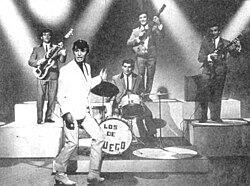
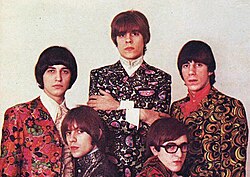
During this era, bands like Kano y Los Bull Dogs also found success. Their song "Sobre un vidrio mojado" became a Latin American hit, blending Californian psychedelic sounds with the atmosphere of the Río de la Plata region. While often labeled as "complacent" by the press due to their massive popularity, they successfully integrated Latin rhythms and heavy rock elements before disbanding in 1971.
Diversification: Acoustic and Progressive Rock
The early 1970s saw a split in musical directions. While some artists moved toward complex arrangements, a new generation embraced the acoustic format. This movement peaked in November 1972 with the release of Vida by Sui Generis, an acoustic duo consisting of Charly García and Nito Mestre.
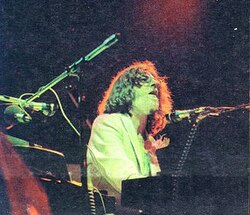
Simultaneously, progressive and symphonic rock began to take root. The band Contraluz blended rock with folk nuances, though they were often compared to the English band Jethro Tull due to their use of the transverse flute. Later, Crucis gained underground popularity with dynamic compositions characterized by a powerful interplay between keyboards and electric guitar.
By 1978, Charly García and David Lebón conceptualized Serú Girán in Brazil. The band, which included Oscar Moro and Pedro Aznar, became a cornerstone of the scene until their final performance at Luna Park in 1982. Their career trajectory was famously described by García as moving from symphonic rock to the simpler sound of "Popotitos" in just four years.
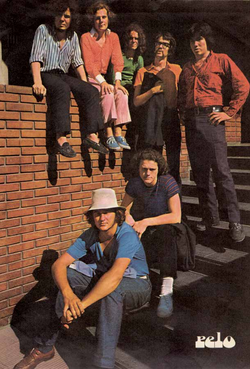
The Artistic Vision of Luis Alberto Spinetta
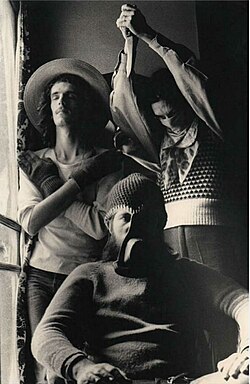
Luis Alberto Spinetta remained a central figure in the evolution of the genre. Through Spinetta Jade, he explored his interest in jazz. His 1982 solo album, Kamikaze, is now regarded as one of the greatest Argentine rock albums of all time. The record is noted for its austerity, featuring Spinetta's Ovation guitar accompanied by keyboards and a drum machine, blending heartfelt zambas with complex compositions.

Massification and the 1980s Boom
The 1980s brought a shift toward the underground and the theatrical. The Cafe Einstein became a breeding ground for bands like Sumo, Soda Stereo, and Los Twist. Meanwhile, Patricio Rey y sus Redonditos de Ricota pioneered a theatrical style of rock, incorporating magicians, clowns, and acrobats into their shows to bypass the restrictions of the dictatorial era.
Commercial success reached new heights in April 1985 when Miguel Mateos /ZAS recorded Rockas vivas. The album sold over 500,000 copies, and subsequent shows at Luna Park attracted 60,000 spectators. In Mendoza, Los Enanitos Verdes emerged as a pop-rock force under the production of Andrés Calamaro.
The 1990s: Sonic Rock and Global Fusion
The 1990s were characterized by the rise of "sonic rock" (rock sónico), influenced by Britpop and 80s techno-pop. Babasónicos became a leading figure of this movement, with their 2001 album Jessico receiving international acclaim. The scene was further bolstered by groups like Juana La Loca and Iguana Lovers, the latter of whom collaborated with members of the shoegaze band Ride.
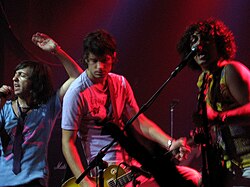
At the same time, fusion and Latin-influenced rock exploded. Los Fabulosos Cadillacs achieved global stardom with the hit "Matador," while Vilma Palma e Vampiros and Los Auténticos Decadentes brought a festive, tropical energy to the genre.

In the 21st century, the scene continued to diversify into indie rock and Celtic metal, with bands like Skiltron and Triddana exploring heavier, themed sounds, often singing in English.
| Era | Primary Style | Key Artists | Defining Characteristic |
|---|---|---|---|
| Late 1960s | Beat / Garage | Los Gatos, Kano y Los Bull Dogs | Transition to Spanish lyrics |
| 1970s | Acoustic / Progressive | Sui Generis, Serú Girán, Crucis | Musical complexity and folk influence |
| 1980s | New Wave / Pop Rock | Soda Stereo, Miguel Mateos | Mass commercialization and stadium shows |
| 1990s-2000s | Sonic / Fusion / Indie | Babasónicos, Los Fabulosos Cadillacs | International success and genre blending |
Frequently Asked Questions
What is "rock nacional"?
Rock nacional is the term used in Argentina to describe rock music composed and performed by local artists, primarily in the Spanish language, as opposed to international English-language rock.
Which song is considered the starting point of Argentine rock?
The single "La balsa" by Los Gatos, released on July 3, 1967, is widely credited with opening a new era of original Spanish-language rock in Argentina.
Who were the most influential figures in the progressive rock scene?
Key figures include Charly García and David Lebón (through Serú Girán), as well as bands like Crucis and the innovative work of Luis Alberto Spinetta.
How did the 1980s change the genre?
The 1980s marked the "golden age" of commercial success, characterized by the rise of stadium concerts, heavy radio airplay, and the emergence of bands like Soda Stereo and Miguel Mateos.
What is "sonic rock" (rock sónico)?
Sonic rock is a style that emerged in the 1990s, influenced by Britpop and 1980s techno-pop, with Babasónicos being one of its most prominent representatives.