Argentine Culture: A Fusion of European Heritage and Latin Spirit
The culture of Argentina is as diverse as its vast geography, shaped by a complex blend of ethnic groups. While deeply rooted in the Western world and Catholic traditions, modern Argentine identity was primarily forged during the Spanish colonial period and the massive waves of European immigration—chiefly from Italy and Spain—during the 19th and 20th centuries. This European influence is further nuanced by contributions from French, German, Basque, Irish, Arab, Polish, and Indigenous cultures, particularly within the realms of art and music.
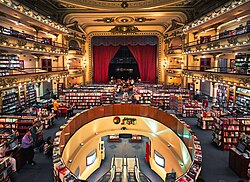
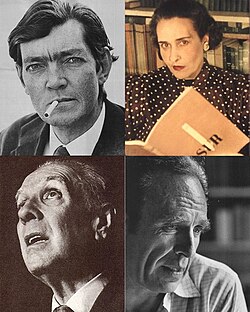
Buenos Aires, the cultural capital, serves as a living museum of this heritage. The city is characterized by its Southern European descent and an architectural landscape that mirrors European styles. From literary bars and galleries to cinemas and live music venues, the urban centers of Argentina are hubs of intellectual and artistic activity.
Key Facts
- Cultural Identity: A strong blend of Spanish and Italian influences mixed with Indigenous and other European roots.
- Musical Symbols: Tango is the global symbol of Argentina, while rock nacional is the most popular genre among youth.
- Global Sports Power: A world leader in football (soccer), basketball, and rugby union.
- Viticulture: The world's fifth-largest wine producer, famous for its Malbec from the Mendoza province.
- Cinematic Pioneer: Home to the world's first animated feature films, released in 1917 and 1918.
Language and Linguistic Diversity
![The frescoed dome of Galerías Pacífico was painted by muralists Berni, Castagnino, Colmeiro, Spilimbergo and Urruchúa.[12]](/images/bc/d4/bcd4b0c396f18ea63f7158e4903163fb2f8e67aa2881f6c6143825638f0ecff5.jpg)
While Spanish is the dominant language, Argentina hosts several minority languages. Southern Quechua (specifically Quechua IIC) is spoken by approximately 0.4% of the population, primarily by Bolivian immigrants, with an estimated 70,000 speakers in Salta Province. Additionally, the Patagonian Afrikaans dialect persists in Chubut, a legacy of Boer migration between 1902 and 1908.
Visual Arts and Architecture
Painting and Sculpture
Muralism has played a significant role in Argentine art. Benito Quinquela Martín transformed the La Boca neighborhood of Buenos Aires in the 1920s and 1930s with cubist-inspired pastel walls that are now cultural emblems. Other artists, such as Adolfo Bellocq, used lithographs to document the harsh realities of the industrial sector during the same era.
![The haystacks (1911) by Martín Malharro. He is considered the introducer of Impressionism in Argentina.[11]](/images/f9/cc/f9cc0c06701a8577bda1e194d6d2b0db00d2b459a5c3e4735881de5993b698b6.jpg)
The evolution of sculpture saw the rise of avant-garde figures like Pablo Curatella Manes and Roberto Aizenberg, as well as constructivists such as Nicolás García Uriburu and Leon Ferrari. To preserve this legacy, the Buenos Aires Museum of Latin American Art (MALBA) was opened in 2001 by collector Eduardo Constantini.
Graphic Arts and Comics
During the 1920s, Buenos Aires became a center for graphic design. Notable figures include Jose Luis Salinas, creator of the Cisco Kid comic strip, and Florencio Molina Campos, who collaborated with Walt Disney. The Art Deco movement was further solidified by French artist Lucien Achille Mauzan, who produced over 130 posters during his six years in Argentina.
Architectural Evolution
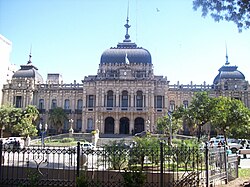
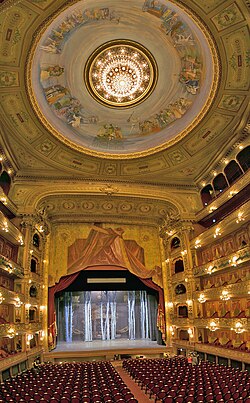
Argentine architecture transitioned from academic styles to a variety of European influences. The late 19th and early 20th centuries saw the rise of Beaux-Arts, Art Nouveau, and Italianate styles. Key landmarks include the National Congress and the Colón Opera House. Later, the country embraced Rationalism through Alejandro Bustillo, Brutalism via Clorindo Testa, and Futurism through the works of César Pelli.
Performing Arts and Popular Culture
Cinema
Argentina boasts a rich cinematic history, including a "golden age" from the 1930s to the 1950s. The industry has produced globally recognized films such as The Official Story (1986 Oscar winner) and The Secret in Their Eyes (2009 Academy Award winner). The Mar del Plata Film Festival remains a key event for promoting local and independent cinema.
Music: From Tango to Rock Nacional
Tango is the definitive musical symbol of Argentina, evolving from the Milonga dance into a sophisticated art form of poetry and lyrics. Carlos Gardel remains its most famous representative. The genre evolved further with Astor Piazzolla's "new tango" and continues today through neo-tango groups like Bajofondo.

Among the youth, rock nacional (Argentine rock) is dominant, with influential artists like Charly García and bands such as Soda Stereo. Meanwhile, Argentine folk music saw the rise of Nueva Canción—a genre used to express political objections—led by figures like Mercedes Sosa and Atahualpa Yupanqui.
![Known as the "voice of the voiceless ones",[citation needed] Mercedes Sosa was one of the preeminent exponents of nueva canción.](/images/c4/7b/c47b4e6e4d5bf58a9554bb62bcda2b7822f599a31b8931a2eeb6c72b29003021.jpg)
Gastronomy and Viticulture
The asado (barbecue) is considered the national dish and serves as a focal point for family gatherings, particularly on Sundays. Complementing this is a world-class wine industry. Argentina is the fifth-largest wine producer globally, with the Mendoza province producing 70% of the country's wine. The region is particularly famous for its Malbec, which thrives in the shadow of Aconcagua, the highest peak in the Americas.
![The asado (1888), by Ignacio Manzoni. Asado is considered a national dish,[24] and is typical of Argentine families to gather on Sundays around one.[25]](/images/8f/92/8f922dcc5dcbdd0d1fae57d3010cb8099a71700fe27789f0b3bc62c4dcf2d88f.jpg)
Sports Culture
Football is the most popular sport, with the national team holding 26 major international titles, including three FIFA World Cups and 16 Copa Américas. The Argentine Football Association (AFA), established in 1893, manages a massive network of clubs, with River Plate and Boca Juniors being the most successful.
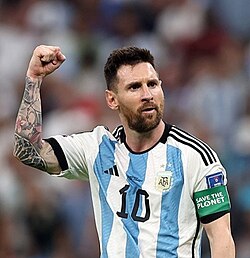
Basketball is the second most popular sport, highlighted by the national team's gold medal at the 2004 Summer Olympics and the success of players like Emanuel Ginóbili in the NBA. Additionally, the rugby union team, "Los Pumas," is a global force, consistently ranking among the top teams in the world.

| Category | Key Elements / Figures | Global Significance |
|---|---|---|
| Music | Tango, Rock Nacional, Nueva Canción | Tango is a global cultural icon. |
| Sports | Football, Basketball, Rugby | Multiple World Cup and Olympic titles. |
| Arts | Muralism, MALBA, Art Deco | Pioneering animated film and Latin American art. |
| Cuisine | Asado, Malbec Wine | Top 5 global wine producer. |
Frequently Asked Questions
What is the significance of Tango in Argentine culture?
Tango is Argentina's primary musical and dance symbol. It evolved from the Milonga and transitioned from a dance-focused genre to one of lyric and poetry in the 1930s, eventually becoming a global phenomenon through various iterations, including "new tango" and neo-tango.
Which wine variety is Argentina most famous for?
Argentina is world-renowned for its Malbec. While the grape originated in France, it found an ideal environment in the Mendoza province, which now accounts for 70% of the country's total wine production.
How influential is football in Argentina?
Football is the most popular sport in the country. The national team has won 26 major international titles, and the Argentine Football Association is one of the oldest in the world, fostering a deep professional culture with legendary clubs like Boca Juniors and River Plate.
What is "Rock Nacional"?
Rock Nacional is Argentine rock music, which is the most popular genre among the country's youth. It has a rich history of uninterrupted development with influential figures like Charly García and bands such as Soda Stereo.
Who were the pioneers of Argentine cinema?
Cartoonist Quirino Cristiani created the world's first animated feature films in 1917 and 1918. Later, the industry experienced a golden age from the 1930s to the 1950s, producing many classics of Spanish-language film.