Antonio Vivaldi: The Red Priest and Master of the Baroque Concerto
Antonio Lucio Vivaldi was a towering figure of the Baroque era, a period of artistic style characterized by ornate detail and dramatic expression. A virtuoso violinist, prolific composer, and ambitious impresario, Vivaldi's influence stretched across Europe, shaping the evolution of orchestration and violin technique. He is most celebrated for consolidating the solo concerto—a musical form featuring a solo instrument accompanied by an orchestra—into a standardized idiom that inspired generations of musicians.
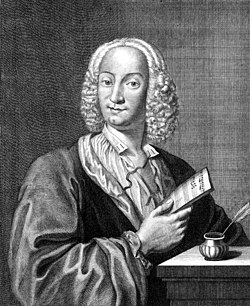
Key Facts
- Born: March 4, 1678, in Venice, Italy.
- Died: July 28, 1741, in Vienna, Austria.
- Nickname: il Prete Rosso ("The Red Priest"), referring to his red hair.
- Major Contribution: Pioneered programmatic music (music that depicts a specific scene or story) and the concerto form.
- Most Famous Work: Le quattro stagioni (The Four Seasons).
- Prolific Output: Composed over 500 concertos and approximately 50 discovered operas.
Early Life and the "Red Priest"
Born in Venice, Vivaldi's early life was marked by a path toward the clergy. At age fifteen, he began studying for the priesthood and was ordained in 1703 at the age of 25. It was during this time that he earned the nickname il Prete Rosso, a nod to the family trait of red hair.
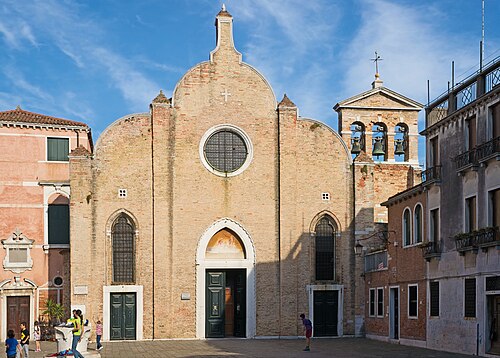
The Ospedale della Pietà
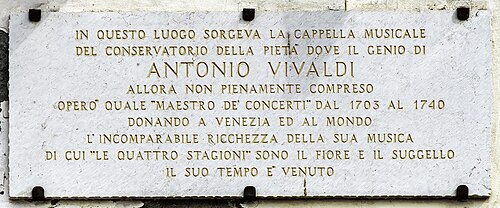
Vivaldi's professional life was deeply intertwined with the Ospedale della Pietà, a Venetian orphanage. While his relationship with the board of directors was often strained—including a period in 1710 where he was not re-elected as a teacher—his talent was undeniable. By 1716, he was promoted to maestro de' concerti (music director), where he was tasked with composing two new concertos every month.
Breakthrough Compositions
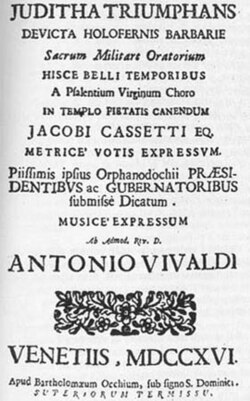
Vivaldi's rise to international fame began with his published collections. While his early sonatas (Opus 1 and 2) followed conventional styles, his 1711 publication L'estro armonico (Opus 3) became a resounding success across Europe. This was followed by La stravaganza (Opus 4) in 1714. His sacred works also flourished during this time; the 1716 oratorio Juditha triumphans is considered a masterpiece, featuring parts for recorders, oboes, and mandolins performed by the girls of the orphanage.
The Opera Impresario
While known today for his instrumental music, opera was Vivaldi's most profitable venture. He transitioned from a sideline composer—debuting Ottone in villa in 1713—to a full-scale impresario (a person who organizes and finances concerts or operas). He managed the Teatro San Angelo and produced numerous works, including the successful Arsilda, regina di Ponto.
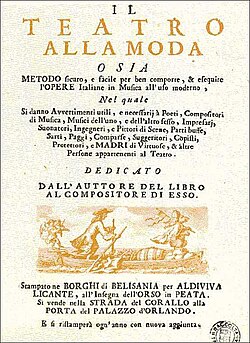
In a 1737 letter, Vivaldi claimed to have written 94 operas. While only about 50 have been discovered, his dual role as composer and manager suggests he was responsible for a vast number of productions, even if he did not reach the same enduring prestige as contemporaries like George Frederic Handel.
![Caricature of Vivaldi by Pier Leone Ghezzi, Rome (1723)[n 4]](/images/42/d3/42d3b5e4f23240eafb0226ad74b56a9cc01715f59164bf55d28a7f35e40888d2.jpg)
The Four Seasons and Later Years
Vivaldi's most enduring legacy is Le quattro stagioni (The Four Seasons), composed in 1723. These four concertos are part of a larger set titled Il cimento dell'armonia e dell'inventione. They serve as a primary example of programmatic music, using the violin to evoke the specific moods and sounds of the four seasons.
Throughout the 1720s, Vivaldi expanded his reach, serving as Maestro di Cappella in Mantua and visiting Milan and Rome, where he performed for Pope Benedict XIII. However, his final years were marked by hardship. After moving to Vienna to stage operas, the death of Emperor Charles VI stripped him of imperial patronage.
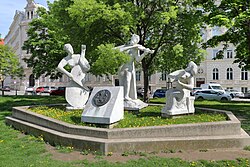
Death and Rediscovery
Vivaldi died in poverty on July 28, 1741, in Vienna at the age of 63, officially due to an "internal infection." He was buried at St. Stephen's Cathedral in a modest ceremony. For nearly two centuries, much of his work faded from public memory.
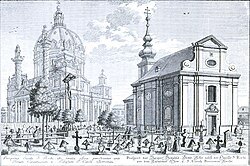
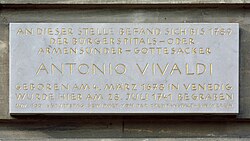
The 20th century saw a dramatic revival of his work. In 1926, fifteen bound volumes of previously lost manuscripts were discovered in a Piedmont monastery, containing 300 concertos and 19 operas. This discovery, coupled with the efforts of Alfredo Casella and the rise of historically informed performances (music played on instruments from the era it was written), restored Vivaldi to his place as a giant of Western music.
Summary of Vivaldi's Musical Output
| Category | Estimated Quantity | Notable Examples |
|---|---|---|
| Concertos | 500+ | The Four Seasons, L'estro armonico |
| Operas | ~50 discovered (94 claimed) | Farnace, Motezuma, Argippo |
| Sacred Choral | Large body | Gloria (RV 589), Stabat Mater |
| Sonatas/Chamber | ~90 sonatas | Opus 1 and Opus 2 Sonatas |
Frequently Asked Questions
Why was Vivaldi called "The Red Priest"?
He was ordained as a priest in 1703 and possessed red hair, a family trait, leading to the Italian nickname il Prete Rosso.
What is the significance of The Four Seasons?
It is one of the earliest and most famous examples of programmatic music, where the compositions are designed to evoke specific imagery and narratives—in this case, the changing seasons of the year.
How was Vivaldi's music rediscovered?
A major turning point occurred in 1926 when researchers found fifteen volumes of lost manuscripts in a monastery in Piedmont, which included hundreds of concertos and several operas.
Did Joseph Haydn play at Vivaldi's funeral?
No. Although popular legend suggests a connection, records show that no music was performed at Vivaldi's funeral at St. Stephen's Cathedral, meaning the young Haydn was not involved.
What was Vivaldi's role at the Ospedale della Pietà?
He served as a teacher and eventually the maestro de' concerti (music director), where he was responsible for the institution's musical activities and composed numerous concertos for the orphanage's orchestra.