Antarctic Treaty: Governing the Frozen Continent
The Antarctic Treaty is a landmark international agreement that establishes Antarctica as a zone of peace and scientific cooperation. Signed on December 1, 1959, in Washington, D.C., and entering into force on June 23, 1961, the treaty transformed a region of potential geopolitical conflict into a global sanctuary for research. By prioritizing science over sovereignty, the treaty ensures that the southernmost continent remains dedicated to the benefit of all humanity.
The treaty was born from the success of the International Geophysical Year (IGY) of 1957–58, a global effort where 12 nations established over 55 research stations. This period of operational cooperation provided the diplomatic blueprint for a formal agreement that would prevent the Cold War from extending to the polar south.
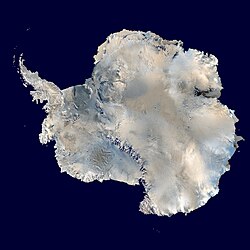
Key Facts
- Signed: December 1, 1959; Effective June 23, 1961.
- Current Membership: 58 state parties as of 2024.
- Core Purpose: To ensure Antarctica is used exclusively for peaceful purposes and scientific research.
- Governance: Managed via the Antarctic Treaty System (ATS) and the Antarctic Treaty Secretariat in Buenos Aires.
- Environmental Protection: The 1991 Protocol prohibits all mineral resource activities except for scientific research.
The Path to Diplomacy: History and Conflict
Following World War II, the United States explored the possibility of establishing its own claims in Antarctica. This led to Operation Highjump (1946–1947), a massive military expedition involving 13 ships and 4,700 men designed to test equipment and personnel in extreme cold.
Tensions rose as several nations asserted territorial claims. In 1952, a diplomatic crisis occurred at Hope Bay when Argentine military forces fired warning shots at British personnel, prompting the United Kingdom to respond with a warship. To mitigate these risks, Argentina, Chile, and the UK signed a Tripartite Naval Declaration in 1949, pledging not to send warships south of the 60th parallel south.
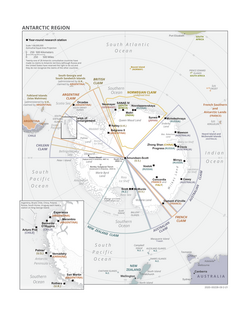
Legal battles also emerged; in 1955, the UK filed lawsuits against Argentina and Chile in the International Court of Justice to invalidate their sovereignty claims. However, both nations rejected the court's jurisdiction, and the cases were closed in 1956.
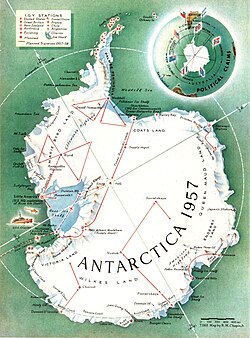
The Antarctic Treaty System (ATS)
To prevent the escalation of these conflicts, U.S. President Dwight D. Eisenhower convened the twelve nations active during the IGY. After extensive negotiations between 1958 and 1959, the Antarctic Treaty was signed, creating a condominium—a territory shared by multiple sovereign powers.
Governance and Decision Making
The treaty is managed through Antarctic Treaty Consultative Meetings (ATCM). While there are 58 parties, only 29 hold Consultative status, granting them voting rights. These include the 12 original signatories and 17 other nations that have demonstrated significant scientific commitment to the region.
Environmental Safeguards
Over time, the treaty has expanded through additional agreements to protect the fragile ecosystem. The most significant is the Protocol on Environmental Protection to the Antarctic Treaty (1991), which entered into force in 1998. This protocol mandates strict waste management and prohibits mining.
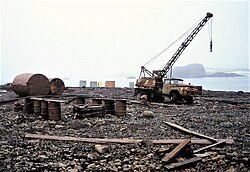
Other key agreements include the Convention for the Conservation of Antarctic Seals (1972) and the Convention for the Conservation of Antarctic Marine Living Resources (1982).
![State parties with consulting status reserving the right to make a territorial claim[24] Other state parties with consulting status State parties without consulting status Non-party UN member states and observer states](/images/6c/85/6c85c04565b82b112beb82a8acf03e2b7d2419221ced6300b1fa403c2e6da61a.webp)
Legal Frameworks and National Laws
Because the treaty does not resolve existing territorial claims, different nations apply their own laws to their citizens in the region:
- Argentina: Considers its claimed territory part of the province of Tierra del Fuego, with jurisdiction falling under the courts of Ushuaia.
- Australia: Applies laws from the Jervis Bay Territory to the Australian Antarctic Territory, supported by the Antarctic Treaty Act 1960.
- United States: Utilizes the Antarctic Conservation Act to penalize the unauthorized taking of native wildlife or the introduction of non-indigenous species.
| Feature | Details |
|---|---|
| Original Signatories | 12 countries (including USA, USSR, UK, France, Australia) |
| Total Parties (2024) | 58 |
| Voting Members | 29 Consultative Parties |
| Primary Goal | Peaceful scientific cooperation; prohibition of military activity |
| Environmental Status | Mining prohibited; strict waste and wildlife protections |
Frequently Asked Questions
Who owns Antarctica?
No single nation owns Antarctica. While seven countries have historical territorial claims, the Antarctic Treaty freezes these claims, meaning they are neither recognized nor denied by the other treaty parties.
What is the role of the Antarctic Treaty Secretariat?
Established in 2004 in Buenos Aires, Argentina, the Secretariat provides administrative and logistical support for the Antarctic Treaty System and its consultative meetings.
Can mining occur in Antarctica?
No. The Protocol on Environmental Protection prohibits all activities relating to mineral resources, except for those conducted for scientific research purposes.
How do countries get voting rights in the treaty?
A country achieves Consultative status by demonstrating its interest in Antarctica through substantial scientific activity, such as establishing a research station or sending scientific expeditions.
What happens if someone commits a crime in Antarctica?
Legal jurisdiction varies by nation. For example, Argentine nationals are subject to Argentine law via the courts of Ushuaia, and U.S. citizens are subject to specific U.S. federal laws like the Antarctic Conservation Act.