Discovering Anchorage: Alaska's Vibrant Hub of Culture and Nature
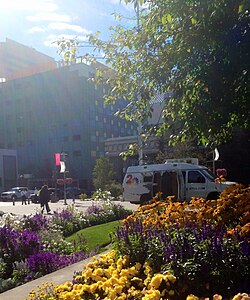
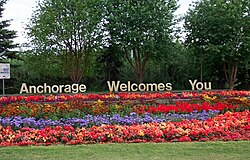
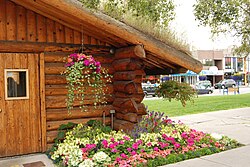
Nestled on the coastal alluvial plain at the headwaters of Cook Inlet, Anchorage serves as the beating heart of Alaska. Known affectionately by nicknames such as "The City of Lights and Flowers" and "Los Anchorage," this bustling municipality offers a unique blend of urban sophistication and untamed wilderness. Whether you are exploring its rich indigenous history or trekking through the nearby Chugach Mountains, Anchorage provides an unparalleled gateway to the Last Frontier.
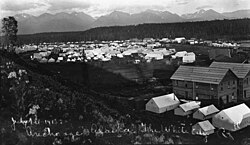
A Brief History of the Municipality
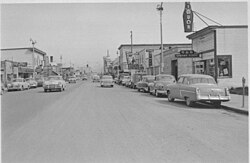
The story of Anchorage began in 1914, named after the natural anchorage at the mouth of Ship Creek. What started as a small settlement grew rapidly; by 1920, the city was officially incorporated. Over the decades, the region underwent significant administrative changes, including the establishment of the borough in 1964 and the creation of the unified municipality on September 15, 1975.
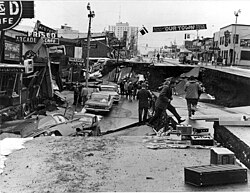
The city has also demonstrated incredible resilience. It has weathered major geological events, most notably the Great Alaskan earthquake on March 27, 1964, which left a lasting mark on the urban landscape.
Geography and Climate
Anchorage covers a vast area of approximately 1,946.68 square miles, encompassing both land and water. The city is strategically positioned between the Knik River and Knik Arm to the north, and the Turnagain Arm to the south. This coastal location influences its Dfc climate—a subarctic classification characterized by long, cold winters and short, cool-to-mild summers.
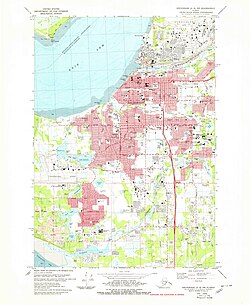
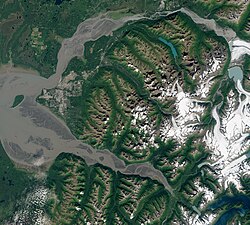
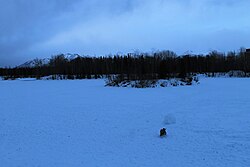
Winter brings significant snowfall, with averages often reaching double digits in inches per month during the peak season. However, the summer months offer a reprieve, with long daylight hours and temperatures that allow the city's famous flowers to bloom.
Understanding the Seasons
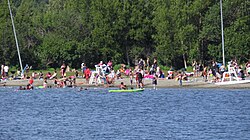
The weather in Anchorage is defined by its extremes. While summer temperatures can reach the 80s (°F), winter lows have been recorded as low as -34°F. This seasonal shift dictates much of the local lifestyle, from winter sports to summer outdoor recreation.
Culture, Economy, and Community
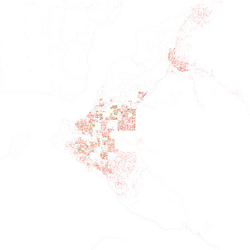
Anchorage is a diverse metropolitan center. As of the 2020 Census, the population stood at 291,247, making it the largest city in Alaska. The community is a tapestry of various backgrounds, with significant populations of White, Asian, Hispanic or Latino, and Alaska Native residents. This diversity is reflected in the local arts, heritage centers, and culinary scenes.
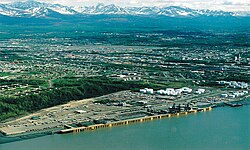
Economically, the city is a powerhouse, with a 2023 GDP of $30.019 billion. Key drivers include the Port of Alaska, which serves as a vital maritime link, and the Ted Stevens Anchorage International Airport, a major hub for air transport.
Arts and Landmarks
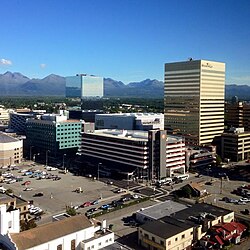
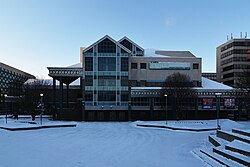
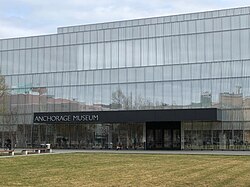
For those seeking culture, the Anchorage Museum at Rasmuson Center and the Alaska Center for the Performing Arts are central pillars of the community. Downtown Anchorage features a striking skyline, including the Conoco-Phillips Building, the tallest building in the state.
Wildlife and Outdoor Recreation
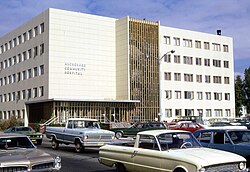
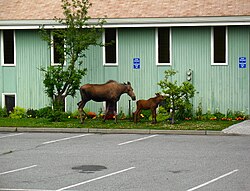
One of Anchorage's most defining characteristics is its proximity to nature. The city's motto, "Big Wild Life," is a testament to the frequent sightings of local fauna. It is not uncommon to see moose wandering near residential areas or churches.
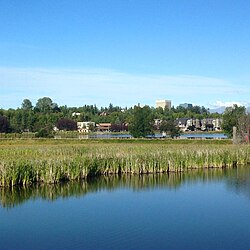
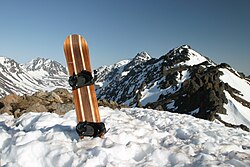
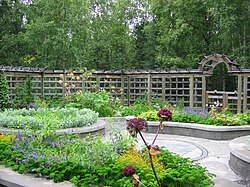
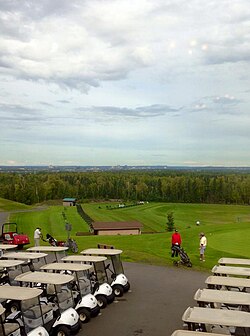
Outdoor enthusiasts have access to a wealth of recreational facilities, including Chugach State Park, the Tony Knowles Coastal Trail, and various botanical gardens. From skiing at Arctic Valley to hiking near Flattop Mountain, the landscape offers endless adventure.
Key Facts
- Population: 291,247 (2020 Census)
- Nickname: "The City of Lights and Flowers"
- Motto: Big Wild Life
- Largest Building: Conoco-Phillips Building
- Major Economic Drivers: Port of Alaska and Ted Stevens Anchorage International Airport
- Climate Type: Subarctic (Dfc)
Summary of Anchorage Statistics
| Category | Detail |
|---|---|
| Incorporated | November 23, 1920 |
| Land Area | 1,706.88 sq mi |
| Elevation | 102 ft (31 m) |
| GDP (2023) | $30.019 billion |
| Time Zone | Alaska Time (UTC-9) |
Frequently Asked Questions
What is the climate like in Anchorage?
Anchorage has a subarctic climate. This means it experiences cold, snowy winters and mild, pleasant summers. Precipitation is distributed throughout the year, with higher amounts typically seen in late summer and autumn.
What are the main landmarks in downtown Anchorage?
Key landmarks include the Anchorage Museum at Rasmuson Center, the Alaska Center for the Performing Arts, and the Conoco-Phillips Building, which is the tallest building in Alaska.
Is wildlife common in the city?
Yes, Anchorage is known for its "Big Wild Life." It is common to encounter animals like moose in various parts of the city, including near residential neighborhoods and parks.
How large is the Municipality of Anchorage?
The consolidated city-borough covers a total area of approximately 1,946.68 square miles, which includes both land and water.
What is the primary mode of transport for goods?
The Port of Alaska on Cook Inlet and the Ted Stevens Anchorage International Airport are the primary hubs for maritime and air transport, respectively.