Anatolian Rock: The Fusion of Turkish Folk and Psychedelic Sound
Anatolian rock (Turkish: Anadolu rock), also known as Turkish psychedelic rock, is a vibrant musical fusion that blends traditional Turkish folk music with the energy of Western rock. Emerging in the mid-1960s, this genre represents a unique cultural intersection where ancient melodies met the electric amplification of the modern era.
The genre was spearheaded by visionary musicians such as Barış Manço, Cem Karaca, Erkin Koray, Selda Bağcan, and Fikret Kızılok, as well as influential bands like Moğollar. Together, they created a sound that was both deeply nationalistic and daringly experimental.
Key Facts
- Origins: Emerged in the mid-1960s in Turkey, blending folk music with psychedelic and progressive rock.
- Pioneers: Key figures include Barış Manço (the "father of Anatolian Rock") and Erkin Koray.
- Anadolu Pop: A term coined by the band Moğollar to describe the fusion of Anatolian folk and pop/rock.
- Political Connection: In the 1970s, the genre became closely linked with leftist movements and social protests.
- The 1980 Turning Point: A military coup on September 12, 1980, effectively ended the golden era of the genre through political repression.
The Foundations: From Republic to Rock 'n' Roll
The roots of Anatolian rock stretch back to the early 1930s and the founding of the Turkish Republic. Mustafa Kemal Atatürk championed a national musical identity, encouraging musicians to adapt Turkish melodies into polyphonic structures—music consisting of two or more simultaneous melodic lines—based on Western harmonic rules. This shift moved public interest away from Ottoman music toward Anatolian folk tunes.
By the 1960s, the global explosion of rock and roll reached Istanbul. The youth, particularly university and high school students, began forming bands to cover hits by the Beatles, the Rolling Stones, and Led Zeppelin. Early pioneers like Barış Manço (Galatasaray High School) and Erkin Koray (German High School) participated in what is considered Turkey's first rock 'n' roll concert, while artists like Erol Büyükburç released English-language covers of American songs.
The Golden Age of Turkish Psychedelic Rock (1960s–1980s)
The late 1950s and early 60s saw the influence of surf rock from the Ventures and the Tornados, alongside the cinematic appeal of Elvis Presley. Erkin Koray adopted the electric guitar early on, and by 1963, he released "One September Night" (Bir Eylül Akşamı), widely regarded as the first rock 'n' roll song in the Turkish language.
Between 1968 and 1975, the scene evolved into a psychedelic powerhouse. The band Moğollar played a pivotal role by incorporating Anatolian folk elements, eventually naming the style Anadolu Pop. Meanwhile, Fikret Kızılok experimented with electronic music and integrated political lyrics into the genre.
The growth of the genre was further accelerated by the "Golden Microphone" (Altın Mikrofon) competition organized by the newspaper Hürriyet. This contest encouraged the blending of folk tunes with Western styles, launching the careers of Cem Karaca, Edip Akbayram, and the groups Mavi Işıklar and Silüetler. These tours brought the new sound to audiences far beyond the urban centers of Istanbul.
The Decline and the 1980 Military Coup
By the 1970s, Anatolian rock had become more than just music; it was a vehicle for social change. Artists like Selda Bağcan used their platform to support worker's rights, freedom, and equality. Consequently, the genre became synonymous with leftist political thought.
This political alignment led to friction with the authorities. On September 12, 1980, a military coup occurred, bringing a sudden end to the Anatolian rock era. Many musicians were imprisoned or forced into exile, such as Cem Karaca. The oppressive political climate shifted public taste toward Arabesque, a more melancholic and sentimental genre, during the 1980s.
Evolution: Modern Turkish Rock and the Global Revival
After the 1990s, rock music returned to Turkey but in a diversified form. Modern Turkish rock bands like Duman, Mor ve Ötesi, and maNga moved away from traditional folk roots, drawing instead from the Seattle Sound, heavy metal, and rapcore. Additionally, Turkish migration to Germany led to the rise of alternative groups such as Ünlü and The Trial.
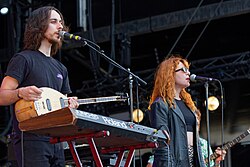
In the late 2010s, a revival of the original Anatolian sound emerged. Artists such as Gaye Su Akyol and international acts like the Dutch band Altın Gün and UK-based Kit Sebastian have brought the psychedelic folk fusion back to the global stage. The 2014 Anatolian Rock Revival Project was also launched to preserve this cultural heritage for future generations.
| Period | Key Characteristics | Notable Artists/Bands |
|---|---|---|
| 1930s - 1950s | Nationalist music reform; shift to polyphonic folk | Early Republic musicians |
| 1960s - 1970s | Golden Age; Psychedelic fusion; Anadolu Pop | Barış Manço, Erkin Koray, Moğollar, Cem Karaca |
| 1980s | Repression after 1980 coup; rise of Arabesque | Exiled artists |
| 1990s - Present | Diversification into Metal/Alternative; Modern Revival | maNga, Duman, Altın Gün, Gaye Su Akyol |
Frequently Asked Questions
What exactly is Anatolian rock?
Anatolian rock is a fusion genre that combines traditional Turkish folk music with Western rock, specifically psychedelic and progressive rock elements.
Who is considered the father of Anatolian Rock?
Barış Manço is widely regarded as the father of the genre, particularly for his influential work in the 1970s and albums such as 2023.
What is Anadolu Pop?
Anadolu Pop is a term coined by the band Moğollar to describe the specific blend of Anatolian folk music and contemporary pop-rock styles.
Why did the genre decline in 1980?
The genre declined due to a military coup on September 12, 1980. Because many Anatolian rock musicians were associated with leftist political views, they faced repression, imprisonment, or exile.
Is Anatolian rock still popular today?
Yes, through a modern revival. While 1990s Turkish rock moved toward alternative and metal styles, recent artists like Altın Gün and Gaye Su Akyol have reintroduced the psychedelic folk sound to global audiences.