Anatidae: The Biology and Diversity of Ducks, Geese, and Swans
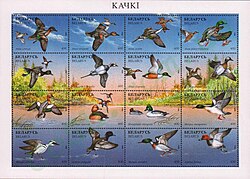
The Anatidae are a cosmopolitan family of water birds that encompass the ducks, geese, and swans. Found on every continent except Antarctica, these birds are masterfully adapted for aquatic life, possessing specialized physical traits that allow them to swim, float, and, in many instances, dive beneath the surface. With approximately 174 species distributed across 43 genera, they represent one of the most recognizable groups of avian life globally.
Most members of this family are herbivorous and follow monogamous breeding patterns. While many species are known for their impressive annual migrations, others have been domesticated for agriculture or are hunted for food and recreation. Unfortunately, the family faces conservation challenges, with five species extinct since 1600 and many others currently threatened.
Key Facts
- Distribution: Global, occurring on all continents except Antarctica.
- Species Count: Approximately 174 species across 43 genera.
- Diet: Generally herbivorous.
- Breeding: Primarily monogamous, though the duration of pair bonds varies by species.
- Size Range: From the cotton pygmy goose (26.5 cm) to the trumpeter swan (183 cm).
- Temporal Range: Present from the Early Oligocene to the recent era.
Physical Description and Ecology
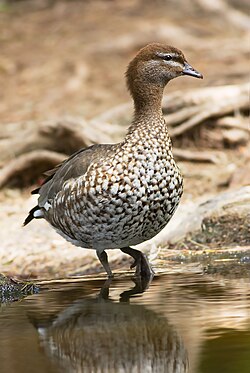
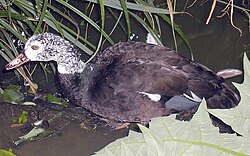
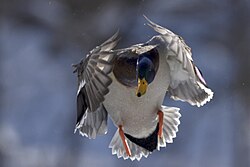
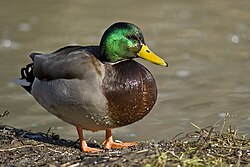
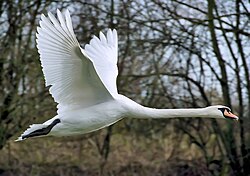
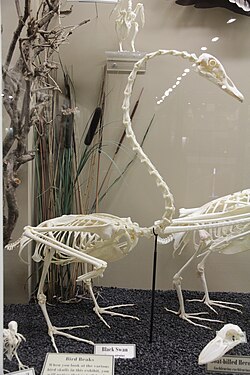
Anatids typically exhibit a broad, elongated body plan, though diving species tend to be rounder to facilitate underwater movement. Their wings are short and pointed, powered by strong muscles that enable rapid beats during flight. While neck length varies significantly between a small duck and a large swan, their legs are consistently short, strong, and positioned far back on the body. This anatomical placement makes them efficient swimmers but often results in an awkward gait on land.
Most species possess webbed feet, although some, such as the Nene, have lost this trait over time. Their bills are composed of soft keratin with a sensitive skin layer on top. A defining feature of many anatids is the presence of lamellae—serrated structures inside the bill used for filter-feeding.
Size and Extremes
The diversity in size within the family is vast. The smallest extant member is the cotton pygmy goose, weighing only 164 g. In contrast, the trumpeter swan can reach 17.2 kg. The historical record reveals even larger members, such as the extinct flightless Garganornis ballmanni, which weighed an estimated 22 kg.
Breeding and Social Behavior
Breeding in the Anatidae family is generally seasonal and monogamous. However, the stability of these bonds differs by group. Smaller ducks often form bonds for a single season, whereas larger swans, geese, and certain territorial ducks may maintain pair bonds for several years or even for life.
Despite these bonds, forced extrapair copulation is a documented behavior, occurring across 55 species in 17 different genera.
Systematics and Classification
The classification of Anatidae is currently in a state of flux. While earlier anatomical studies suggested nine subfamilies, modern mtDNA (mitochondrial DNA) sequence analyses have challenged these views. For instance, genetic data indicates that dabbling ducks and diving ducks do not belong in the same subfamily.
Major Subfamilies and Groups
- Anserinae: Includes true swans (Cygnus) and geese (Anser and Branta).
- Anatinae: Comprises dabbling ducks, including the widespread Anas genus.
- Aythyinae: Diving ducks such as pochards and scaups.
- Tadorninae: Shelducks and sheldgeese, often seen as an intermediate group between geese and ducks.
- Dendrocygninae: Long-legged, goose-like whistling ducks.
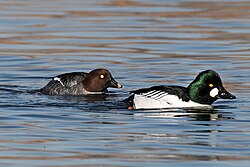
- Mergini: Sea-ducks, including eiders and mergansers.
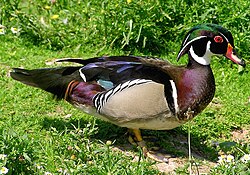
Summary of Anatidae Diversity
| Group | Common Examples | Key Characteristics |
|---|---|---|
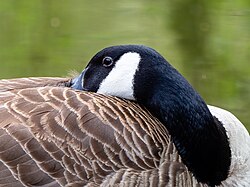
| Swans & Geese | Mute Swan, Canada Goose | Large size, long necks, primarily herbivorous |
| Dabbling Ducks | Mallard, Northern Shoveler | Flattened bills with lamellae for filtering |
| Diving Ducks | Greater Scaup, Tufted Duck | Rounder bodies, legs set further back |
| Sea-Ducks | Common Goldeneye, Eiders | Adapted for marine environments |
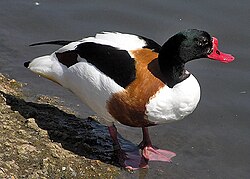
| Shelducks | Common Shelduck | Semi-terrestrial, intermediate traits |
Prehistoric Anatids
The fossil record shows that Anatidae has a long history dating back to the Early Oligocene. Prehistoric genera such as Garganornis and various moa-nalos (like Chelychelynechen) demonstrate the evolutionary experimentation of the family, including the development of flightlessness in certain island species.
Frequently Asked Questions
What is the difference between a dabbling duck and a diving duck?
Dabbling ducks typically feed on the surface or by tipping forward in shallow water, whereas diving ducks have rounder bodies and legs positioned further back to allow them to submerge completely to find food.
Are all waterfowl in the Anatidae family?
While most ducks, geese, and swans are Anatidae, some related birds are not. For example, the magpie goose has been moved to its own separate family, Anseranatidae.
How long do pair bonds last in Anatidae?
It varies by species; smaller ducks often change partners annually, while swans and geese are known for long-term or lifelong monogamous relationships.
What are lamellae in waterfowl?
Lamellae are serrated, comb-like structures located inside the bill. They act as a sieve, allowing filter-feeding species to strain food particles from the water.
Which is the largest member of the Anatidae family?
Among living species, the trumpeter swan is the largest. However, the largest known extinct member was Garganornis ballmanni, which weighed approximately 22 kg.