Alpaca: The Gentle Fiber-Producing Camelid of the Andes
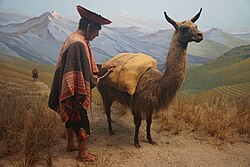
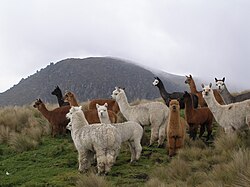
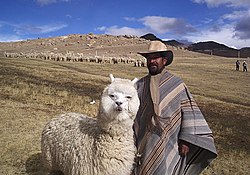
The alpaca (Lama pacos) is a domesticated South American camelid renowned for its soft, luxurious fleece. Often confused with its larger relative, the llama, the alpaca is specifically bred for fiber production rather than as a beast of burden. These hardy animals are deeply intertwined with the history and culture of the Andean highlands, where they have thrived for millennia.
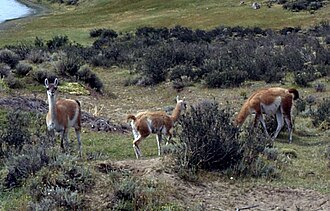
While they share a similar appearance with llamas, alpacas are visibly shorter and possess a different genetic lineage. Both species were domesticated from wild ancestors—the alpaca from the fine-haired vicuña and the llama from the larger guanaco—approximately 5,000 to 6,000 years ago.
Key Facts
- Scientific Name: Lama pacos (also classified as Vicugna pacos).
- Ancestry: Descended from the wild vicuña.
- Primary Use: Bred predominantly for high-quality wool.
- Habitat: Native to the Andes (Ecuador, Peru, Bolivia, and Chile) at altitudes of 3,500 to 5,000 meters.
- Lifespan: Typically 15 to 20 years.
- Diet: Herbivores consuming primarily pasture grass, hay, or silage.
Evolution and Domestication
The family Camelidae first appeared in the Americas 40–45 million years ago during the Eocene period. Over millions of years, these animals split into different tribes, with the Lamini tribe migrating to South America. While camelids became extinct in North America roughly 3 million years ago, they flourished in the south.
For centuries, the exact ancestry of the alpaca was debated. Early classifications suggested they descended from llamas, but the advent of DNA technology in 2001 confirmed that alpacas are actually descended from the vicuña. This discovery led to a shift in their scientific classification to Vicugna pacos.

Physical Characteristics and Breeds
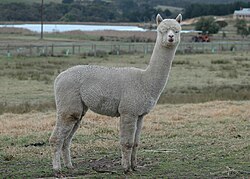
An adult alpaca typically stands between 81 and 99 centimeters (32 to 39 inches) at the shoulders and weighs between 48 and 90 kilograms (106 to 198 pounds). They are characterized by their dense fleece and gentle disposition.
The Two Main Types
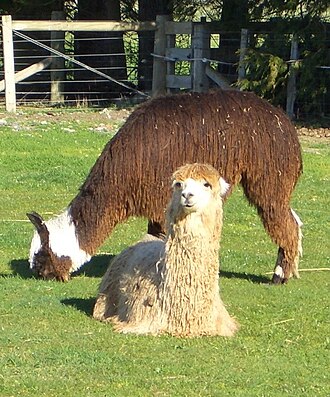
While most alpacas are of the Huacaya type, there is a distinct breed known as the Suri. Suri alpacas make up about 10% of the population and are characterized by long, lustrous locks of fiber. Historically, Suris may have been more common in pre-Columbian Peru because they could be kept at lower altitudes where a thick, insulating fleece was less critical for survival.
Behavior and Reproduction
Alpacas are social animals that communicate through various sounds. For instance, they use a specific snorting sound to warn other alpacas when their personal space is being invaded.
The reproductive cycle of an alpaca is lengthy, with a gestation period averaging 11.5 months. Most births result in a single offspring, called a cria. Twins are exceptionally rare, occurring in only about one per 1,000 deliveries. A newborn cria typically weighs between 15 and 19 pounds and is usually able to stand within 30 to 90 minutes after birth.
Diet and Livestock Management
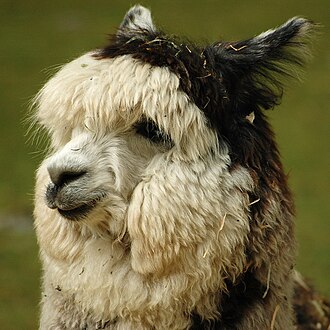
Alpacas are efficient grazers with three-chambered stomachs that allow them to extract maximum nutrition from hardy plants. They typically consume 1% to 2% of their body weight daily. Their diet consists mainly of pasture grass, hay, or silage, with supplemental energy and protein required during winter to maintain body heat.
From a management perspective, alpacas are relatively low-maintenance. Their manure does not require composting because they prefer tender leaves over thick stems, meaning no viable seeds remain in their waste. However, they do require annual shearing and nail and teeth trimming every six to twelve months.
The Value of Alpaca Fiber
Alpaca fleece is highly prized for being soft, water-resistant, and flame-resistant. It is used globally to create a wide array of textiles, including ponchos, sweaters, scarves, and bedding. The fiber comes in a stunning variety of natural colors—Peru recognizes over 52 distinct shades.
Shearing occurs once a year in the spring, yielding approximately 2.3 to 4.5 kilograms (5 to 10 pounds) of fiber per animal. The quality of the wool is determined by its crimp (the number of small folds in the fiber); a higher crimp generally indicates higher quality.

| Species | Status | Primary Characteristic | Ancestry/Relation |
|---|---|---|---|
| Alpaca | Domesticated | Fine wool production | Descended from Vicuña |
| Llama | Domesticated | Pack animal/Guardian | Descended from Guanaco |
| Vicuña | Wild | Small, very fine hair | Ancestor of Alpaca |
| Guanaco | Wild | Large and strong | Ancestor of Llama |
Health and Population
While generally hardy, alpacas can be susceptible to diseases such as cattle tuberculosis (Mycobacterium bovis). Research indicates that camelids may have an unusual immune response during the early stages of such infections.
Historically, the alpaca population suffered a catastrophic decline following the Spanish invasion of the Andes in 1532, with an estimated 98% of the animals destroyed by conflict and introduced diseases. Today, Peru remains the heart of alpaca farming, hosting over half of the world's population.
Frequently Asked Questions
What is the difference between an alpaca and a llama?
Alpacas are smaller than llamas and are bred primarily for their high-quality wool. Llamas are larger, stronger, and have historically been used as pack animals or livestock guardians.
What is a "cria"?
A cria is the term used for a baby alpaca. They typically weigh 15 to 19 pounds at birth and are usually standing shortly after they are born.
How often are alpacas sheared?
Alpacas are typically sheared once per year, usually during the spring, to collect their fiber and keep the animal comfortable.
Are there wild alpacas?
No, there are no known wild alpacas. They are a domesticated species descended from the wild vicuña.
What do alpacas eat?
Alpacas are herbivores that mainly eat pasture grass, hay, or silage. They require about 1% to 2% of their body weight in food daily.