Ali Qoddusi: The Cleric, Educator, and Attorney General of the Iranian Revolution
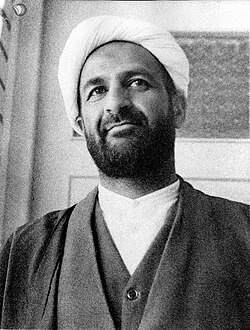
Ali Qoddusi (1927–1981) was a prominent Iranian cleric who played a pivotal role in the 1979 revolution. Known for his commitment to both spiritual growth and institutional reform, Qoddusi bridged the gap between traditional religious scholarship and the political activism that reshaped modern Iran.
Early Life and Academic Foundations
Born in 1927 in the province of Hamadan, Qoddusi pursued his religious education at the Qom seminaries starting in 1944. During his time there, he studied under the guidance of Grand Ayatollah Hossein Borujerdi. His academic focus was deeply rooted in akhlaq (ethics) and spirituality, though he maintained a strong desire to modernize the hawza (Islamic seminary) educational system to ensure it remained politically relevant in a changing society.
Political Activism and the Haqqani School
Qoddusi was a central figure in the resistance against the Shah. He was particularly active during the unrest of 1963, a period marked by the Shah's attempts to condemn Ayatollah Khomeini to death before ultimately opting for exile. Due to his political activities, Qoddusi was briefly imprisoned in Qezel Qaleh Prison in 1966.
In 1964, he co-founded the Haqqani School, a Shiite seminary in Qom. This institution became a critical training ground for many of the political elites who would later lead the Islamic Republic.
Educational Leadership and Gender Inclusion
By the 1970s, Qoddusi had ascended to the role of director of the Haqqani School. In a significant move toward expanding religious education, he established a women's section in 1973/74. This section, known as Maktab-e Tawhid, was dedicated to the training of female religious authorities, providing women with a structured path toward clerical leadership.
Personal Life and Family
Ali Qoddusi was married to Najma Sādāt Tabātabā'ī, the daughter of the renowned scholar Allameh Tabatabai. The couple had a large family consisting of two daughters and four sons. Their son, Muhammad Hasan, later lost his life serving in the Iran–Iraq War.
Post-Revolutionary Role and Death
Following the success of the 1979 revolution, Ayatollah Khomeini appointed Qoddusi as the Attorney General. His tenure in this high-ranking legal position was cut short on September 5, 1981, when he was killed by a bomb explosion within his office.
Key Facts
- Born: 1927 in Hamadan, Iran.
- Education: Studied under Grand Ayatollah Hossein Borujerdi in Qom.
- Institutional Legacy: Co-founded the Haqqani School (1964) and established Maktab-e Tawhid for women (1973/74).
- Political Role: Served as the Attorney General after the 1979 revolution.
- Death: Assassinated via bomb explosion on September 5, 1981.
| Category | Details |
|---|---|
| Primary Interests | Ethics (akhlaq) and spirituality |
| Key Institution | Haqqani School (Director) |
| Women's Education | Founded Maktab-e Tawhid |
| Political Affiliation | Anti-Shah activist; Revolutionary leader |
| Final Government Post | Attorney General of Iran |
Frequently Asked Questions
What was the significance of the Haqqani School?
Co-founded by Ali Qoddusi in 1964, the Haqqani School served as a Shiite seminary in Qom and became a primary source for the recruitment of the Islamic Republic's political elites.
How did Ali Qoddusi contribute to women's religious education?
In 1973/74, while directing the Haqqani School, Qoddusi opened a dedicated women's section called Maktab-e Tawhid to train female religious authorities.
Who was Ali Qoddusi's spouse?
He was married to Najma Sādāt Tabātabā'ī, who is the daughter of Allameh Tabatabai.
When and how did Ali Qoddusi die?
Ayatollah Qoddusi died on September 5, 1981, after a bomb exploded in his office while he was serving as the Attorney General.
What were Qoddusi's main academic focuses?
During his studies at the Qom seminaries, he focused specifically on spirituality and ethics, known as akhlaq.