Air Chief Marshal Sir Andrew Pulford: A Trailblazing RAF Career
Air Chief Marshal Sir Andrew Pulford is a distinguished retired senior commander of the Royal Air Force (RAF), whose career is marked by a historic first. As a dedicated helicopter pilot with extensive operational experience, he ascended through the ranks to become the first helicopter pilot to serve as the professional head of the Royal Air Force.
From his early days in flight training to leading the entire service as Chief of the Air Staff, Pulford's journey reflects a lifetime of commitment to the United Kingdom's aerial defense and strategic operations.
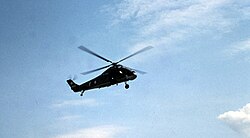
Key Facts
- Highest Rank: Air Chief Marshal.
- Historic Achievement: First helicopter pilot to be appointed Chief of the Air Staff.
- Service Span: 1977 to 2016.
- Flight Experience: Over 5,000 flying hours, primarily piloting Chinooks.
- Major Conflicts: Served in the Falklands War, Operation Banner (Northern Ireland), and the Iraq War (Operation Telic).
Early Life and Entry into Service
Born on 22 March 1958 to Douglas and Jean Pulford, Andrew Pulford was educated at Magnus Grammar School in Newark. His military journey began in January 1977 when he joined the Royal Air Force as an acting pilot officer.
His early career saw him assigned to No. 72 Squadron before he transitioned to the heavy-lift capabilities of the Chinook helicopter with No. 18 Squadron based at RAF Odiham. Over the following years, he steadily rose through the junior officer ranks, becoming a pilot officer in 1978, a flying officer in 1979, and a flight lieutenant by July 1981.
Operational Experience and Command
Sir Andrew's career was defined by his presence in critical global conflicts. In 1982, while on exchange service with the Royal Navy, he served in the Falklands War with C Flight aboard the RFA Tidespring. He also gained international perspective through an exchange tour with the Royal Australian Air Force between 1985 and 1987.
By 1996, Pulford had reached the rank of wing commander and took command of No. 18 Squadron. His leadership capabilities were further recognized in 1999 when he served as the Principal Staff Officer to the Chief of the Air Staff.
In December 2001, he became the Station Commander at RAF Odiham. During this period, he was deployed as the Commander Joint Helicopter Force Headquarters for Operation Telic, the codename for the British military operations during the Iraq War.
Ascension to Senior Leadership
Following his success in Iraq, Pulford moved into strategic roles at the Ministry of Defence. He served as the Director of Air Resources and Plans in 2004 and was promoted to air commodore in 2005. By February 2007, he had attained the rank of air vice marshal and was appointed Air Officer Commanding No. 2 Group.
His trajectory toward the top of the RAF continued with his role as Assistant Chief of the Defence Staff (Operations) in 2008, followed by his appointment as Air Member for Personnel and Deputy Commander-in-Chief Personnel at Air Command in 2010, where he held the rank of air marshal.
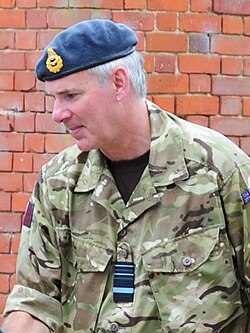
Chief of the Air Staff
On 31 July 2013, Sir Andrew reached the pinnacle of his profession, being appointed Chief of the Air Staff and promoted to air chief marshal. This appointment was a landmark moment for the RAF, breaking the traditional mold by placing a helicopter pilot at the helm of the service. He served in this capacity until his retirement on 12 July 2016.
Summary of Service and Honors
| Category | Details |
|---|---|
| Service Years | 1977–2016 |
| Primary Aircraft | Chinook Helicopter |
| Key Commands | No. 18 Squadron, RAF Odiham, No. 2 Group, Chief of the Air Staff |
| Major Awards | GCB (Knight Grand Cross of the Order of the Bath), CBE (Commander of the Order of the British Empire) |
| Education | Magnus Grammar School; Higher Command and Staff Course (Defence Academy UK) |
Personal Life
Beyond his military achievements, Sir Andrew married Nicola Jane Pearse in 1982, and the couple has one son and one daughter. In his private time, he is an enthusiast of military history, sailing, motorcycling, and vintage cars.
Frequently Asked Questions
What was Sir Andrew Pulford's most significant achievement?
His most significant professional milestone was becoming the first helicopter pilot to ever serve as the Chief of the Air Staff, the professional head of the Royal Air Force.
Which major conflicts did Sir Andrew Pulford participate in?
He saw operational service in the Falklands War, the Iraq War (Operation Telic), and Operation Banner in Northern Ireland.
What aircraft did he primarily fly during his career?
While he began his career with No. 72 Squadron, he spent a significant portion of his 5,000 flying hours piloting Chinook helicopters with No. 18 Squadron.
What honors was he awarded for his service?
He was appointed a Knight Grand Cross of the Order of the Bath (GCB) and a Commander of the Order of the British Empire (CBE).
When did he retire from the Royal Air Force?
Air Chief Marshal Sir Andrew Pulford retired from the Royal Air Force on 12 July 2016.