Agora: The Heart of Ancient Greek Political and Commercial Life
In the center of almost every ancient Greek city-state lay the agora, a multipurpose public space that served as the vital organ of urban existence. Far more than a simple square, the agora was the intersection where the civic duties of citizenship met the daily necessities of trade, shaping the social fabric of Greek society for centuries.
The Evolution of the Agora
During the early stages of Greek history, specifically between the 10th and 4th centuries BC, the agora functioned primarily as a gathering point for free-born citizens. These individuals convened in the space to fulfill military obligations or to listen to official proclamations delivered by the ruling council or the king.
Over time, the purpose of the space expanded. The agora evolved into a bustling marketplace where merchants established shops and stalls, often situated within arcades—covered walkways that provided shelter and organization to the commercial activity. This commercial growth naturally attracted artisans, who established their workshops in the immediate vicinity to be closer to their customers.
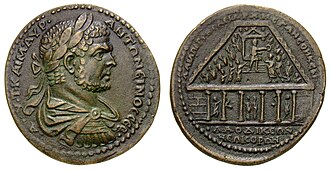
The Dual Nature of Civic Life
The transformation of the agora into both a political hub and a commercial center was so profound that it left a permanent mark on the Greek language. The dual functions of the space are preserved in two distinct verbs that describe the primary activities occurring there:
- Agorázō (ἀγοράζω): Meaning "I shop," reflecting the marketplace's role in trade.
- Agoreúō (ἀγορεύω): Meaning "I speak in public," reflecting the space's role as a forum for political discourse.
Key Facts
- Time Period: The agora's primary development occurred between the 10th and 4th centuries BC.
- Primary Users: Free-born citizens used the space for military and political purposes.
- Commercial Features: The area featured merchant stalls, shops, arcades, and nearby artisan workshops.
- Linguistic Legacy: The Greek language developed two separate verbs, agorázō and agoreúō, to distinguish between shopping and public speaking.
| Function | Primary Activities | Associated Greek Term |
|---|---|---|
| Political/Civic | Military duty, hearing royal/council statements, public speaking | Agoreúō |
| Commercial | Trading goods, operating stalls, artisan craftsmanship | Agorázō |
Frequently Asked Questions
Who was allowed to gather in the agora for political reasons?
Gatherings for military duty and listening to the ruling king or council were reserved for free-born citizens.
What architectural features supported trade in the agora?
Merchants utilized stalls and shops, which were often located amid arcades to organize the marketplace.
How did the agora affect the local economy beyond simple trading?
The presence of the marketplace attracted artisans, who built their workshops nearby to capitalize on the foot traffic and commercial activity.
What is the difference between agorázō and agoreúō?
While both derive from the word for the public square, agorázō specifically refers to the act of shopping, whereas agoreúō refers to the act of speaking in public.