Agatha Christie: The Life and Legacy of the Queen of Crime
Few names are as synonymous with mystery as Agatha Christie. Known globally as the "Queen of Crime," Christie transformed the detective story into a sophisticated art form. Her meticulous plots, unexpected twists, and iconic characters have made her the most translated author in history, with billions of copies of her books sold worldwide.
From her early days in Devon to her travels in the Middle East, Christie's life was as varied as her bibliography. She didn't just write mysteries; she lived through one of the most famous real-life disappearances of the 20th century.
Key Facts
- Full Name: Agatha Mary Clarissa Miller.
- Claim to Fame: Most translated author in the world and best-selling novelist of all time.
- Famous Detectives: Creator of Hercule Poirot and Miss Marple.
- Notable Achievement: Wrote The Mousetrap, one of the longest-running plays in history.
- Secret Identity: Published romance novels under the pen name Mary Westmacott.
Early Life and Literary Beginnings
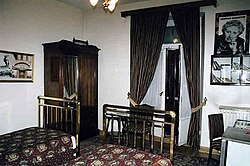
Born in Torquay, Devon, England, Agatha Christie spent her formative years developing a keen eye for human nature. Her literary career began to flourish during the early 20th century, coinciding with the Golden Age of Detective Fiction—a period characterized by the "whodunnit" puzzle, where the reader is challenged to solve the crime alongside the detective.
During World War I, Christie contributed to the war effort as a nurse in the Voluntary Aid Detachment of the British Red Cross. This experience provided her with practical knowledge of pharmacology (the study of drug action), which she later used to lend scientific authenticity to the poisons and medical details in her murder mysteries.
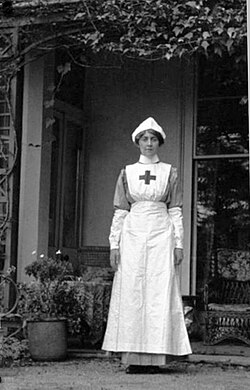
The Mystery of the Missing Eleven Days
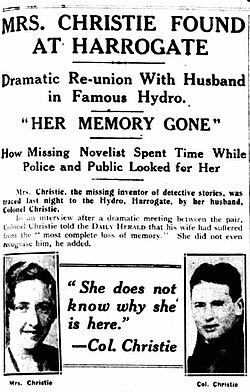
In December 1926, Christie became the center of a national sensation when she mysteriously disappeared. For eleven days, her whereabouts were unknown, sparking a massive search effort. She was eventually found in a hotel in Harrogate, Yorkshire. While the event remains a subject of historical debate, some suggest it may have been a case of dissociative fugue, a psychological state where a person forgets their identity and wanders away from home.
Marriage, Archaeology, and Later Years
Christie's personal life was marked by two significant marriages. Her first marriage to Archibald Christie ended in divorce in 1928. In 1930, she married Max Mallowan, a renowned archaeologist. This partnership deeply influenced her work, as she accompanied Mallowan on excavations in the Middle East, integrating archaeological settings and themes into her plots.
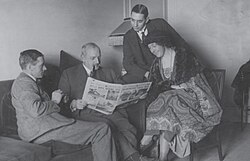
Throughout her later life, Christie continued to produce masterpieces, including the final case of Hercule Poirot in 1975. She spent much of her time at her summer home, Greenway in Devon, which served as inspiration for several of her stories.
![Greenway in Devon, Christie's summer home, was used as a setting for some of her plots, including Dead Man's Folly. The final episode of Agatha Christie's Poirot was filmed at the estate in 2013.[99]](/images/e9/2c/e92c4dee088cba7c5466b5f55ab143b0f4e41b98a242003212b7aa672864b655.jpg)
Literary Contributions and Style
Christie is best known for her mastery of the formulaic plot, using red herrings and psychological manipulation to mislead the reader. Her work is primarily divided between her two most famous detectives: the Belgian Hercule Poirot and the elderly spinster Miss Marple.
Notable Works
Her bibliography spans novels, short stories, and plays. Some of her most enduring works include:
- The Mysterious Affair at Styles (1920)
- The Murder of Roger Ackroyd (1926)
- Murder on the Orient Express (1934)
- And Then There Were None (1939)
- The Mousetrap (1952)
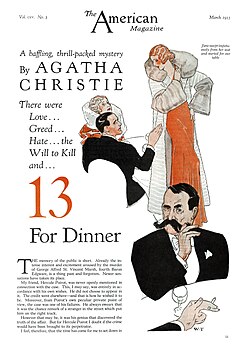
Beyond crime, she explored different genres using the pseudonym Mary Westmacott and wrote non-fiction, including an autobiography. Her titles were often inspired by the Bible, such as Evil Under the Sun and The Pale Horse.
Summary of Agatha Christie's Legacy
| Category | Details |
|---|---|
| Lifespan | 1890 – 1976 (Aged 85) |
| Primary Genres | Murder Mystery, Detective Story, Thriller |
| Key Characters | Hercule Poirot, Miss Marple |
| Pen Name | Mary Westmacott |
| Global Impact | Billions of books sold; most translated author |
Death and Remembrance
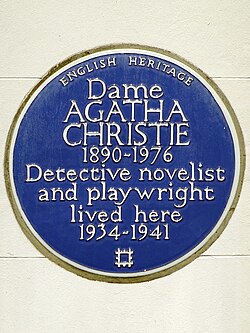
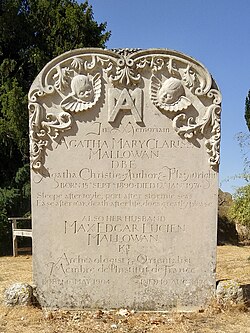
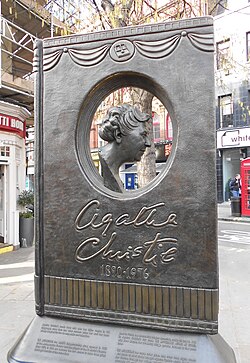
Dame Agatha Christie passed away on January 12, 1976, at Winterbrook House in Wallingford, Oxfordshire. She was laid to rest at St Mary's Church in Cholsey. Today, her legacy is preserved through blue plaques in London and memorials that celebrate her contribution to world literature.
Frequently Asked Questions
Who are Agatha Christie's most famous characters?
Her most famous characters are the Belgian detective Hercule Poirot, known for his "little grey cells," and Miss Marple, an astute elderly woman from the village of St Mary Mead.
Why did Agatha Christie use a pen name?
She used the pseudonym Mary Westmacott to write romance novels, allowing her to explore different literary styles and genres away from the expectations associated with her crime fiction.
What happened during her disappearance in 1926?
Christie vanished for eleven days in December 1926, causing a nationwide search. She was eventually located in Harrogate, though the exact reasons for her disappearance remain a point of historical and psychological discussion.
How did archaeology influence her writing?
Through her marriage to archaeologist Max Mallowan, Christie spent significant time at dig sites. This provided her with unique settings and a deep understanding of ancient history, which she incorporated into several of her mysteries.
Which of her books is considered the most successful?
While many are popular, And Then There Were None has been voted as a global favorite, and The Murder of Roger Ackroyd is frequently cited as one of the best crime novels ever written.