African Diaspora: Global Distribution, History, and Cultural Legacy
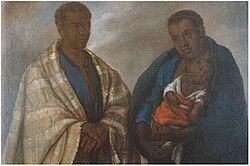
The African diaspora refers to the global collection of communities descended from people from Africa, predominantly those forced into slavery via the Atlantic slave trade, as well as more recent voluntary migrants. This vast network spans every continent, creating a complex tapestry of identity, resilience, and cultural synthesis that continues to shape the modern world.
From the Caribbean islands to the cities of Europe and the coastal regions of Asia, the diaspora is not a monolithic group but a diverse array of ethnicities, languages, and religions. While the historical trauma of displacement is a central theme, the diaspora is equally defined by the creation of new, vibrant cultures that blend African roots with local influences.
Key Facts

- Brazil hosts one of the largest populations of African descent in the world, with estimates ranging from 20 million to over 112 million.
- Haiti has the highest percentage of its population descended from the African diaspora at 95%.
- The diaspora is globally distributed, with significant populations in the Americas, Europe, and Asia.
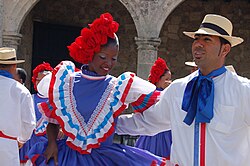
- Cultural expressions such as reggae and various traditional dance forms are enduring legacies of the diaspora.
- The Siddi people represent a unique African-descended community located in India and Pakistan.
Global Population and Distribution
The distribution of the African diaspora is uneven, reflecting the historical routes of the slave trade and subsequent migration patterns. The Americas remain the primary hub of Afro-descendant populations.
The Americas and Caribbean
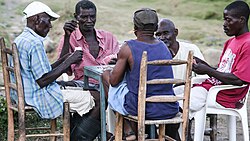
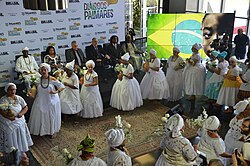
In the Caribbean, the influence of the diaspora is profound. Haiti stands out with nearly 11 million people of African descent. Other nations like Jamaica, Barbados, and Dominica also maintain very high percentages of Afro-descendant populations. In North America, the United States has a significant population, estimated between 41 and 46 million people as of 2020.
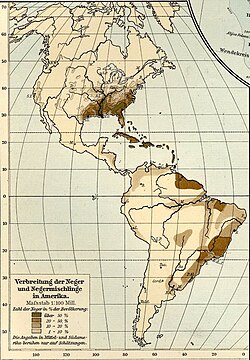
South America is dominated by Brazil, where the racial makeup is highly diverse. Many Brazilians identify as preto (black) or pardo (mixed ethnicity), with some census data suggesting over half the population has African ancestry.
Europe and Eurasia
European populations of African descent are found predominantly in former colonial powers. France, the United Kingdom, Portugal, and the Netherlands have significant communities. In France, estimates range between 8 and 10 million people, while the UK reports approximately 2.4 million. In Eastern Europe, smaller but distinct communities exist, including those in Russia.
Asia and the Middle East
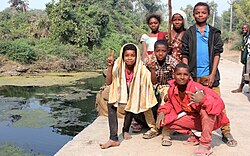
The African presence in Asia is often less visible but historically deep. The Siddi are an ethnic group in India and Pakistan of African origin. Additionally, significant populations are found in Saudi Arabia (3.6 million) and Yemen (3.5 million), often linked to historical trade and migration across the Red Sea.
Historical Foundations and Concepts
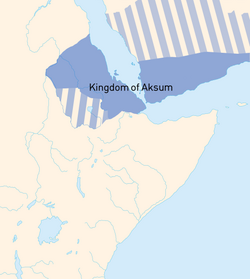
The movement of people from Africa to the rest of the world occurred in various waves. While the Atlantic slave trade is the most prominent, there were earlier movements. For example, the Kingdom of Aksum maintained a presence on the Arabian Peninsula, extending African influence outside the continent long before the colonial era.

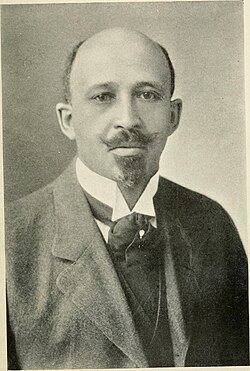
Intellectuals like W. E. B. Du Bois have spent lifetimes analyzing the black experience. Du Bois, a 20th-century philosopher and sociologist, wrote extensively on the diaspora and eventually spent his final years in Ghana, symbolizing a return to the ancestral homeland.
Cultural and Social Impact
The African diaspora has left an indelible mark on global culture, particularly through music, religion, and art. Pan-Africanism—the idea that people of African origin share a common history and should be unified—has served as a powerful political and social catalyst.
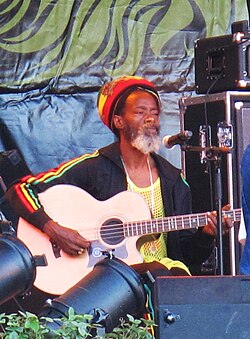
Musical genres such as reggae in Jamaica frequently reference Pan-Africanism and Rastafari, utilizing specific colors and themes to signal a connection to the African continent. These traditions serve as a means of preserving identity and resisting erasure.
Population Summary Table
| Region/Country | Estimated Population / Percentage | Notes |
|---|---|---|
| Brazil | 20.6M – 112.7M | Largest population in the Americas |
| United States | 41.1M – 46.9M | Significant North American hub |
| Haiti | 11.2M (95%) | Highest percentage in Caribbean |
| Colombia | 4.9M – 15M | Significant South American presence |
| France | 8M – 10M | Largest European population |
| Saudi Arabia | 3.6M | Major West Asian population |
| India | ~40,000 (Siddi) | Includes the Siddi ethnic group |
Frequently Asked Questions
Which country has the highest percentage of people of African descent?
Haiti has the highest percentage, with approximately 95% of its population descended from the African diaspora.
Who are the Siddi people?
The Siddi are an ethnic group of African origin living primarily in India and Pakistan, representing the African diaspora in South Asia.
What is the difference between Afro-descendants and the African diaspora?
While often used interchangeably, the diaspora generally refers to the global dispersion of people from Africa, whereas Afro-descendants specifically refers to those with African ancestry living outside the continent.
How did the Kingdom of Aksum contribute to the diaspora?
The Kingdom of Aksum established a presence on the Arabian Peninsula, demonstrating that African movement and influence outside the continent occurred well before the Atlantic slave trade.
What role does Pan-Africanism play in the diaspora?
Pan-Africanism is a social and political movement that encourages solidarity and unity among all people of African descent globally, often reflected in art, music, and political activism.