Achaemenid Empire: The Rise and Fall of the First Great Persian State
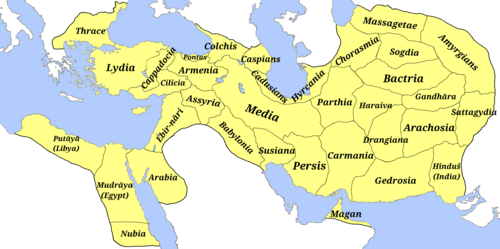
The Achaemenid Empire, known in Old Persian as Xšāça, stood as the first global superpower of antiquity. Spanning from 550 to 330 BC, this vast dominion redefined the scale of imperial governance, blending diverse cultures, languages, and religions under a single administrative umbrella. At its zenith, the empire stretched across three continents, creating a legacy of architectural grandeur and political innovation that influenced subsequent civilizations for centuries.
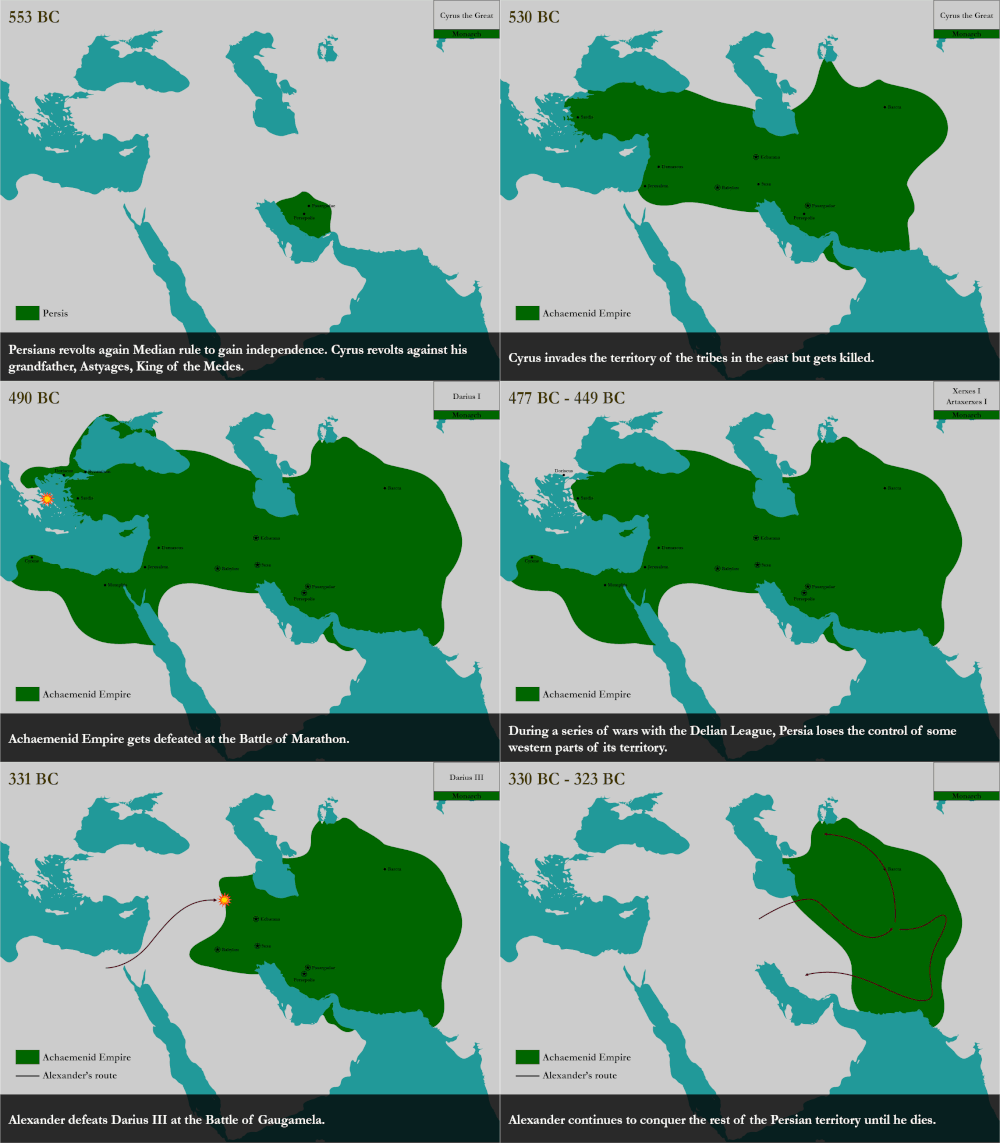
The empire's foundation was laid by Cyrus the Great, who transformed a regional dynasty into a world power. Through a series of strategic conquests, the Achaemenids absorbed the Median kingdom, Lydia, and the Neo-Babylonian Empire, eventually extending their reach to the Indus Valley and Egypt.
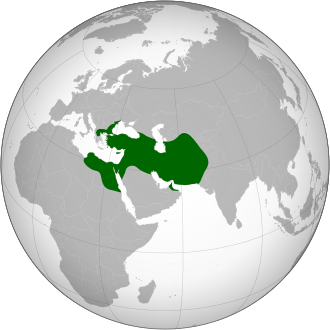
Key Facts
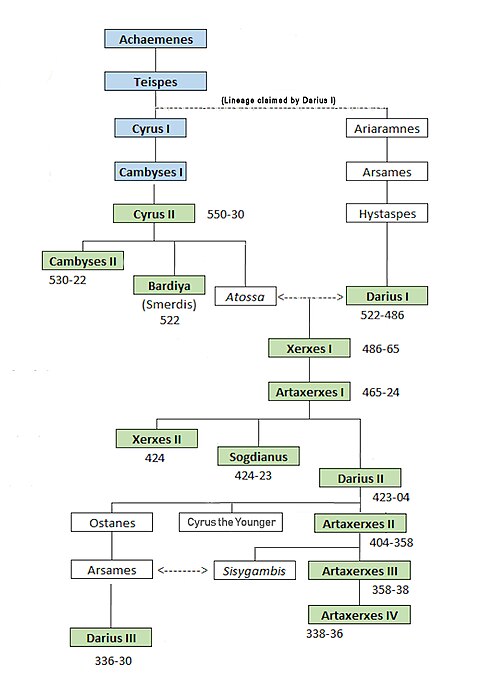
- Timeline: 550–330 BC.
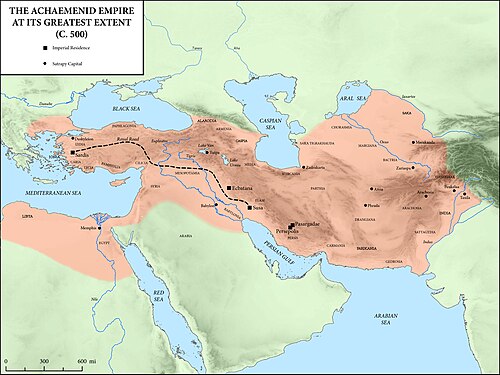
- Greatest Extent: Achieved under Darius the Great (522–486 BC).
- Population: Estimated between 17 and 35 million people around 500 BC.
- State Religion: Zoroastrianism.
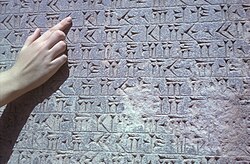
- Official Languages: Old Persian (dynastic) and Aramaic (the lingua franca or common bridge language).
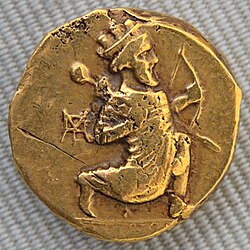
- Currency: The gold Daric and the silver siglos.
The Era of Expansion and Consolidation
The Foundation by Cyrus the Great
Cyrus II, known as Cyrus the Great, is credited with the empire's birth. His military genius was matched by his political pragmatism. A pivotal moment occurred in October 539 BC, when Cyrus defeated the Babylonians at Opis and captured the city of Babylon on October 12, taking King Nabonidus prisoner. This victory solidified Persian control over Mesopotamia.
The Administrative Genius of Darius the Great
While Cyrus founded the empire, Darius I (Darius the Great) organized it. He divided the realm into satrapies (administrative provinces), each governed by a satrap. This system allowed for efficient tax collection and local governance while maintaining central authority. Darius also commissioned the Royal Road, a massive infrastructure project connecting Ecbatana to Anatolia to facilitate rapid communication.
Imperial Capitals and Architecture
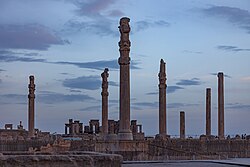
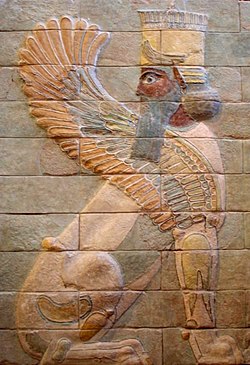
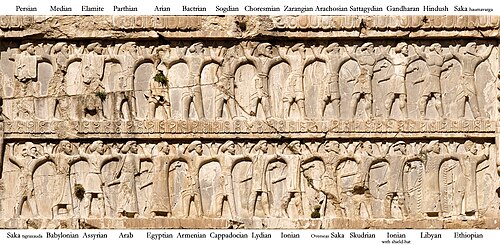
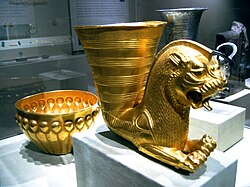
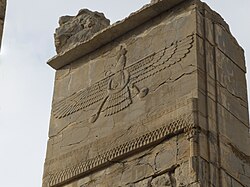
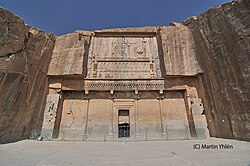
The empire utilized multiple capitals depending on the season and purpose. Babylon and Susa served as primary administrative hubs, while Pasargadae and Persepolis were used for ceremonial purposes. Persepolis, in particular, remains a testament to Achaemenid art, featuring massive bas-reliefs and grand palaces that showcased the diverse peoples of the empire.
Military Might and Global Conflict
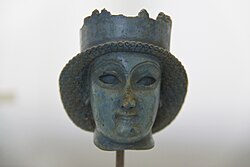
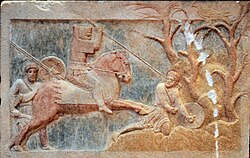
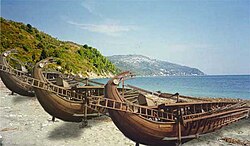
The Achaemenid military was a diverse force comprising infantry and elite cavalry. The empire's naval power was equally significant, utilizing ships from subject nations like Phoenicia to project power across the Mediterranean.
The Greco-Persian Wars
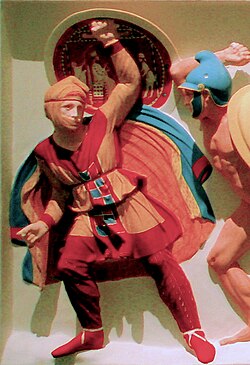
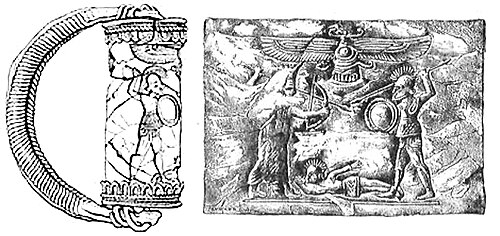
Between 499 and 449 BC, the empire engaged in a series of conflicts with the Greek city-states. These wars, characterized by famous clashes at Marathon and Salamis, marked the limit of Persian expansion into Europe. Despite their immense resources, the Persians were unable to fully subjugate the Greek mainland.
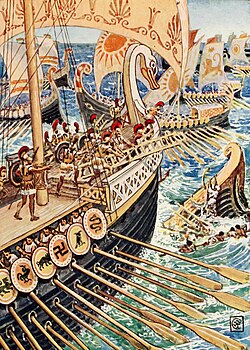
The Fall to Macedonia
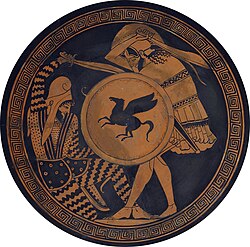
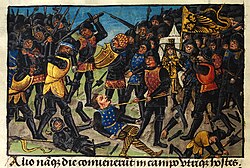
The decline of the Achaemenid Empire culminated in the 4th century BC. Alexander the Great of Macedon launched a decisive invasion, defeating the forces of Darius III at the Battle of Granicus (334 BC), the Battle of Issus (333 BC), and finally at Gaugamela (331 BC).
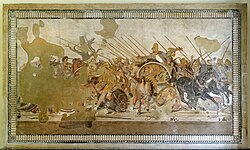
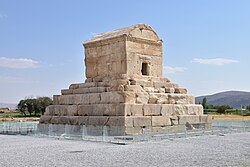
Following these victories, Alexander marched on Susa and Persepolis. The latter was destroyed by fire in early 330 BC, signaling the end of the Achaemenid dynasty. Alexander later visited the tomb of Cyrus at Pasargadae, expressing admiration for the founder of the empire he had just dismantled.
Imperial Summary
| Category | Details |
|---|---|
| Period | 550–330 BC |
| Major Rulers | Cyrus the Great, Darius the Great, Xerxes I, Darius III |
| Capitals | Babylon, Susa, Persepolis, Pasargadae, Ecbatana |
| Key Territories | Persia, Media, Lydia, Babylonia, Egypt, Indus Valley |
| Official Languages | Old Persian, Aramaic |
| State Religion | Zoroastrianism |
Frequently Asked Questions
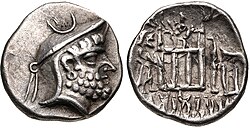
![Frataraka dynasty ruler Vadfradad I (Autophradates I). 3rd century BC. Istakhr (Persepolis) mint.[142]](/images/45/87/45877fed3db4c811c9e699f4e7f5cf17a00e4b7d0d3c18897b1ecc061decb7bf.jpg)
![Volume of annual tribute per district, in the Achaemenid Empire, according to Herodotus.[156][157][158]](/images/69/43/69438068540c600e828fbc53709da052f3994f7ff4e2f34dd66acb69303a75a0.jpg)

Who was the founder of the Achaemenid Empire?
Cyrus the Great (Cyrus II) founded the empire around 550 BC, expanding it through the conquest of Media, Lydia, and Babylonia.
What was the role of Aramaic in the empire?
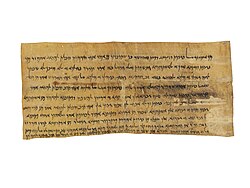
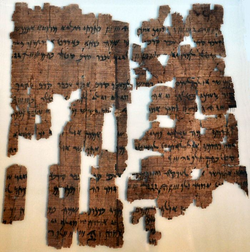
While Old Persian was the dynastic language, Aramaic served as the official literary language and the lingua franca, enabling communication across the empire's diverse ethnic groups.
What were satrapies?
Satrapies were administrative districts or provinces. Each was led by a satrap who managed local affairs and collected tribute for the central government.
How did the empire end?
The empire fell after a series of defeats by Alexander the Great, ending with the surrender of Susa and the burning of Persepolis in 330 BC.
What was the primary religion of the Achaemenid state?
The state religion was Zoroastrianism, although the empire was generally tolerant of other faiths, including Egyptian and Mesopotamian religions.