Achaemenid Empire: The First Global Superpower of Antiquity
The Achaemenid Empire, known in Old Persian as Xšāça, stood as one of the most formidable political entities of the classical world. Spanning from 550 to 330 BC, this Persian powerhouse redefined the concept of imperial governance, blending military conquest with a sophisticated administrative system that managed a diverse array of cultures, languages, and religions.
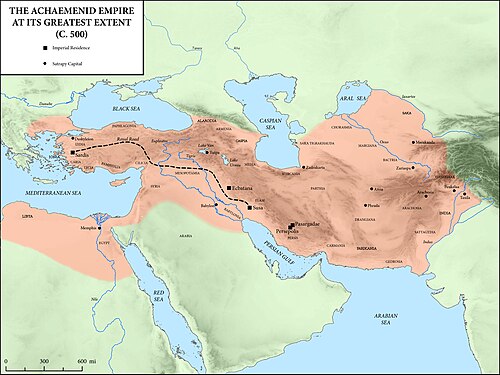
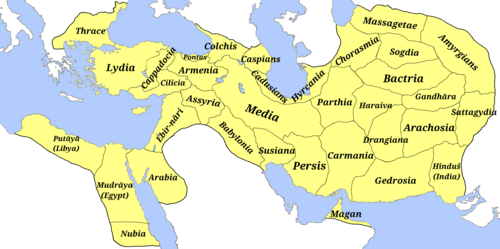
At its zenith, the empire covered approximately 5.5 million square kilometers and housed a population estimated between 17 and 35 million people. From the Indus Valley in the east to the edges of Greece in the west, and from the steppes of Central Asia to the banks of the Nile, the Achaemenids created a bridge between the East and West.
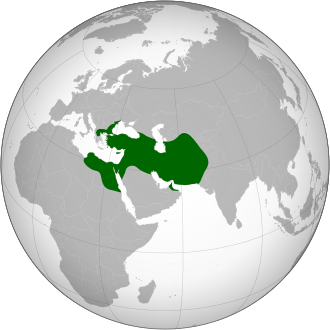
Key Facts
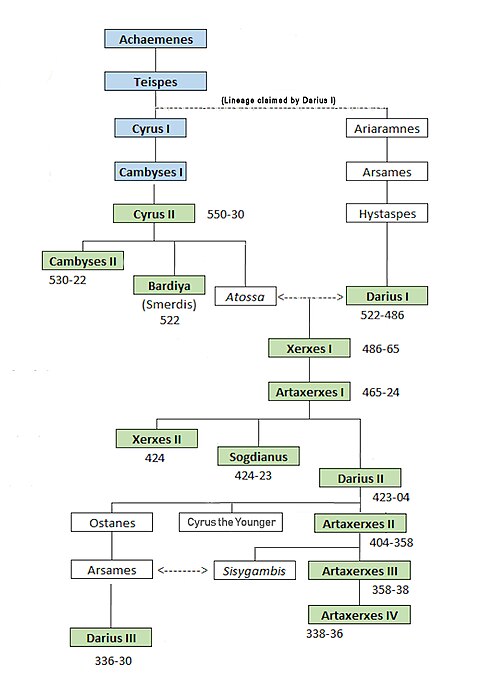
- Timeline: 550–330 BC.
- Founding Father: Cyrus the Great, who transformed the dynasty into a world empire.
- Greatest Extent: Achieved under Darius the Great (522–486 BC).
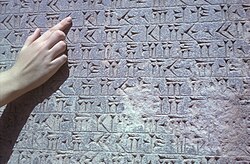
- Official Languages: Old Persian (dynastic) and Aramaic (the lingua franca or common administrative language).
- State Religion: Zoroastrianism.
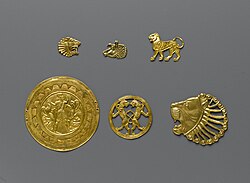
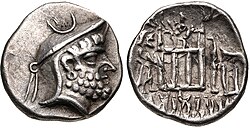
- Currency: The gold Daric and the silver siglos.
- Capitals: Babylon, Pasargadae, Ecbatana, Susa, and Persepolis.
The Rise and Expansion of Persia
The Era of Cyrus the Great
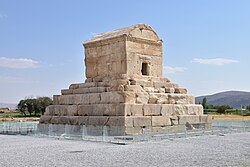
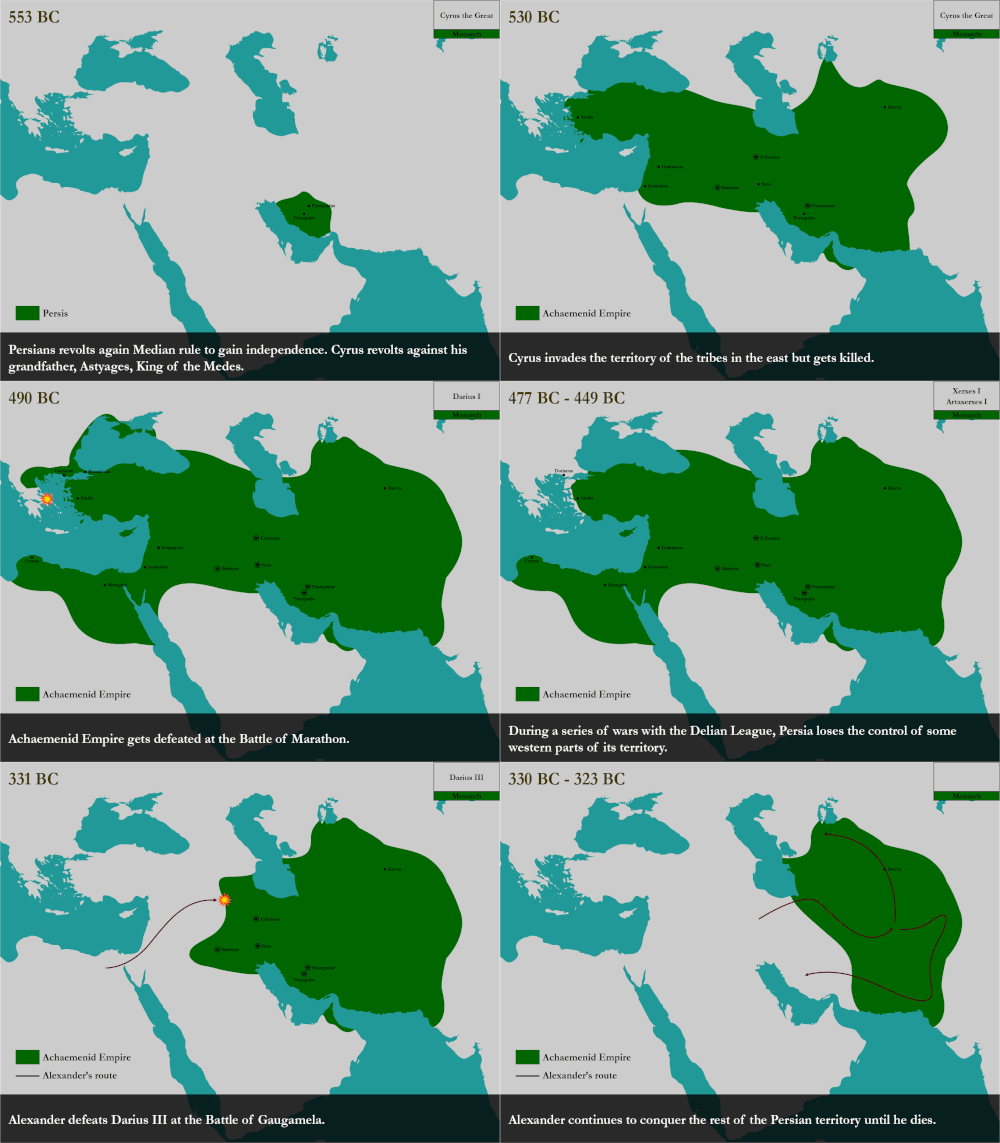
The empire began its ascent under Cyrus II, better known as Cyrus the Great. He expanded the Persian domain through a series of strategic conquests, including Lydia in 547 BC and Babylonia in 539 BC. The fall of Babylon occurred on October 12, 539 BC, after Cyrus won a decisive battle at Opis and captured King Nabonidus.
Consolidation under Darius the Great
While Cyrus founded the empire, Darius I (Darius the Great) organized it. He divided the vast territory into satrapies (administrative provinces), each governed by a satrap. This system allowed for efficient tax collection and local governance while maintaining central authority.
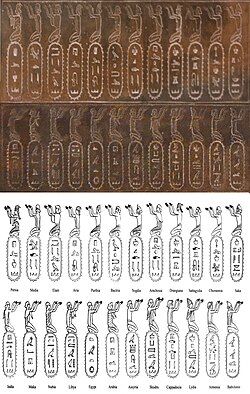
Darius also invested heavily in infrastructure, most notably the Royal Road, which connected Ecbatana to Anatolia and facilitated rapid communication across the empire.

Imperial Administration and Culture
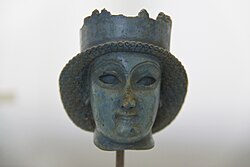
Governance and Economy
The Achaemenid government was a monarchy where the king held absolute power, often styled as the "King of Kings." To maintain economic stability, the empire introduced a standardized currency—the Daric—and a structured system of annual tributes based on the productivity of each district.
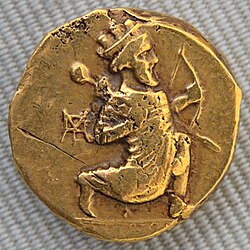
Language and Religion
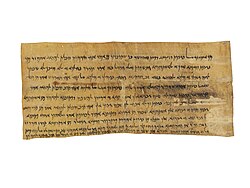
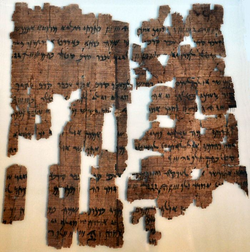
The empire was a melting pot of ethnicities. While Old Persian was used by the dynasty, Aramaic served as the official literary and administrative language to ensure communication across different regions. Religiously, the state followed Zoroastrianism, though the empire was notably tolerant of other faiths, including Second Temple Judaism, Egyptian, and Greek religions.
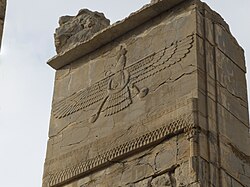
Art and Architecture
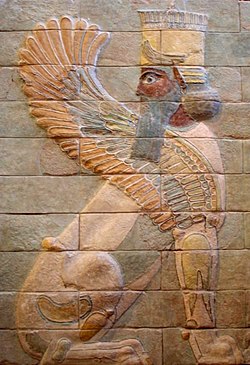
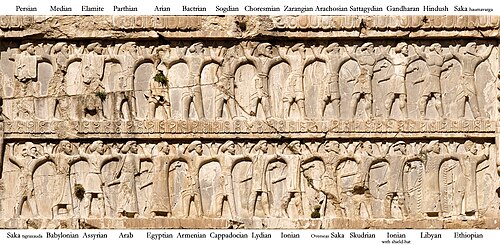
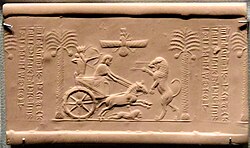
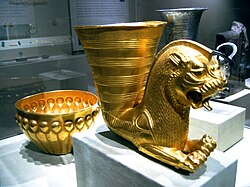
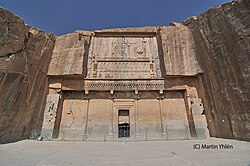
The Achaemenids are remembered for their monumental architecture. Persepolis, the ceremonial capital, showcased the empire's grandeur through massive reliefs and palaces. Their art often blended styles from the various conquered nations, reflecting the cosmopolitan nature of the state.
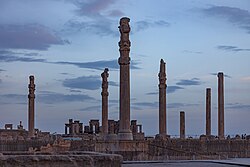
Military Might and Conflict
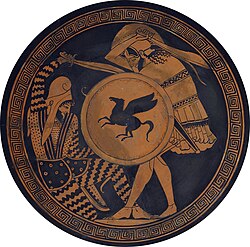
The Persian War Machine
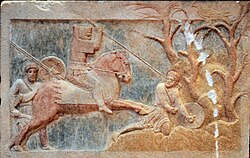
The Achaemenid military was composed of diverse units, including heavily armored cavalry and specialized infantry. One of the most famous units was the "Immortals," an elite guard that maintained a constant strength of 10,000 men.
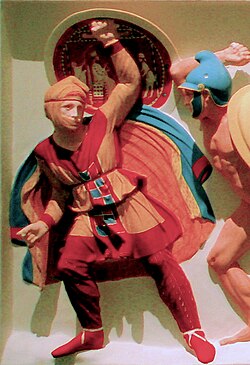
The Greco-Persian Wars
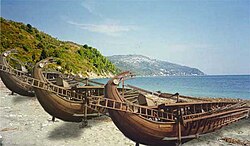
The empire's expansion eventually brought it into conflict with the Greek city-states. The Greco-Persian Wars (499–449 BC) saw massive clashes, including the Battle of Marathon and the naval Battle of Salamis, where Persian ambitions in Europe were checked.
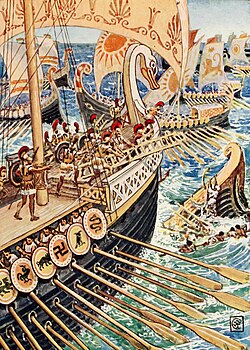
The Fall of the Empire
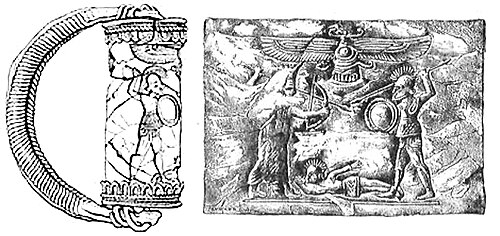
The decline of the Achaemenid Empire was precipitated by the rise of Alexander the Great of Macedon. Through a series of decisive victories at the Battle of Granicus (334 BC), Issus (333 BC), and Gaugamela (331 BC), Alexander dismantled the Persian military.
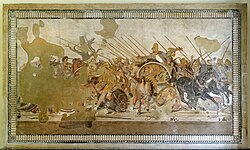
By 330 BC, Alexander had marched on Susa and Persepolis, the latter of which was destroyed by fire. The empire officially fell with the death of Darius III, marking the end of the Achaemenid dynasty and the beginning of the Hellenistic age.
Empire Summary
| Feature | Details |
|---|---|
| Period | 550–330 BC |
| Key Rulers | Cyrus the Great, Darius the Great, Xerxes I, Darius III |
| Max Area | 5,500,000 km² |
| Major Capitals | Babylon, Susa, Persepolis |
| Official Languages | Old Persian, Aramaic |
| State Religion | Zoroastrianism |
| Successor | Macedonian Empire |
Frequently Asked Questions
![Frataraka dynasty ruler Vadfradad I (Autophradates I). 3rd century BC. Istakhr (Persepolis) mint.[142]](/images/45/87/45877fed3db4c811c9e699f4e7f5cf17a00e4b7d0d3c18897b1ecc061decb7bf.jpg)
![Volume of annual tribute per district, in the Achaemenid Empire, according to Herodotus.[156][157][158]](/images/69/43/69438068540c600e828fbc53709da052f3994f7ff4e2f34dd66acb69303a75a0.jpg)
Who was the founder of the Achaemenid Empire?
Cyrus the Great (Cyrus II) founded the empire around 550 BC, expanding it through the conquest of Lydia, Babylonia, and the Indus Valley.
What was a satrapy?
A satrapy was an administrative province within the Achaemenid Empire, governed by a local official called a satrap who reported to the King of Kings.
Which languages were spoken in the empire?
While Old Persian was the dynastic language, Aramaic was the official lingua franca. Other common languages included Akkadian, Elamite, Greek, and Median.
How did the empire fall?
The empire fell after a series of military defeats inflicted by Alexander the Great, culminating in the fall of Persepolis and Susa in 330 BC.
What was the significance of the Royal Road?
The Royal Road was a vital transportation and communication artery that connected the empire's administrative centers, allowing for the rapid movement of messengers and troops.