Academy Award for Best Original Score: A History of Cinematic Music

Academy Award for Best Original Score: A History of Cinematic Music

The Academy Award for Best Original Score is one of the most prestigious honors in the film industry, recognizing the composers who breathe life into cinema through sound. Since its inception on February 27, 1935, the award has evolved from recognizing studio music departments to honoring individual artistic visionaries. From the sweeping orchestral themes of the Golden Age to the experimental electronic textures of the modern era, this award tracks the sonic evolution of storytelling.

Key Facts
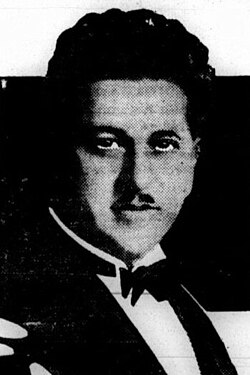
Charles Previn won for One Hundred Men and a Girl (1937), the first and only win for a Department head and not the composer.
  • Most Wins: Alfred Newman holds the record with 9 wins.
  • Most Nominations: John Williams holds the record with 49 nominations.
  • Inaugural Winner: Louis Silvers won the first award for One Night of Love (1934).
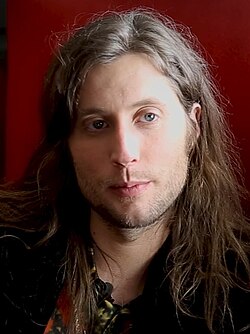
  • Recent Success: Ludwig Göransson is a three-time winner (2018, 2023, 2025).
  • Unique Win: Charles Previn's win for One Hundred Men and a Girl (1937) is the only time a Department head won rather than the composer.

The Evolution of Scoring Categories
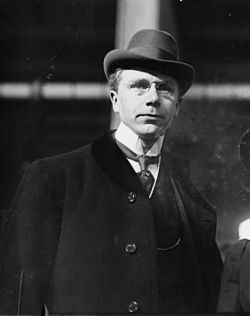
Richard Hageman won alongside W. Franke Harling, John Leipold and Leo Shuken for Stagecoach (1939).

Over the decades, the Academy has frequently adjusted how it categorizes music to distinguish between dramatic scores and musical adaptations. These categories are generally split into two main streams:

Non-Musical Scores

These awards focus on original music written specifically for the film's atmosphere and narrative. The naming has shifted from "Best Music Score of a Dramatic Picture" (1942) to the current "Best Original Score" (used from 1971, 1976–1995, and 2000–present).

Musical Scores

This stream recognizes the adaptation or treatment of music within musicals. This has included various titles such as "Best Scoring of a Musical Picture" (1942–1962) and "Best Adaptation Score" (1979), focusing on how existing songs are integrated into the film's orchestral fabric.

Legendary Composers and Record-Breakers
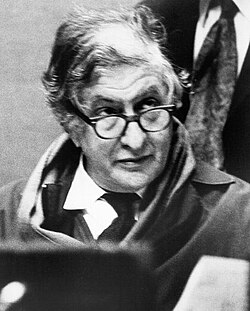
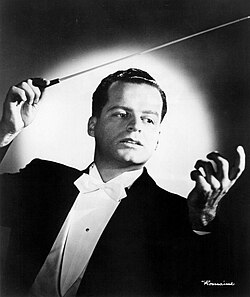
Bernard Herrmann won once out of five nominations for The Devil and Daniel Webster (1941).

The history of the award is defined by a few towering figures. Alfred Newman dominates the win column with 9 awards from 43 nominations, including wins for The Song of Bernadette (1940) and Camelot (1967).
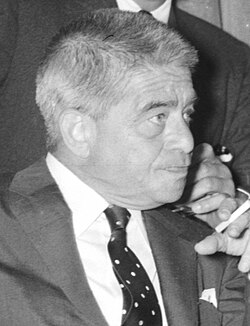
Alfred Newman has won the most awards in this category with 9 wins among 43 nominations. He won for Alexander's Ragtime Band (1938), Tin Pan Alley (1940), The Song of Bernadette (1940), Mother Wore Tights (1947), With a Song in My Heart (1952), Call Me Madam (1953), The King and I (1956), and Camelot (1967).

While Newman has the most wins, John Williams is the most nominated composer in history with 49 nods, securing 5 wins for iconic films such as Jaws (1975), Star Wars (1977), and Schindler's List (1993).
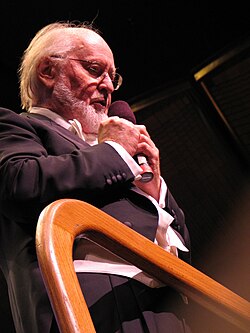
John Williams has been nominated a record 49 times, winning five times for Fiddler on the Roof (1971), Jaws (1975), Star Wars (1977), E.T. the Extra-Terrestrial (1982) and Schindler's List (1993).

Other multi-award winners include Alan Menken, who won four times for Disney classics like The Little Mermaid (1989) and Aladdin (1992), and André Previn, who also secured four wins including Gigi (1958) and My Fair Lady (1964).
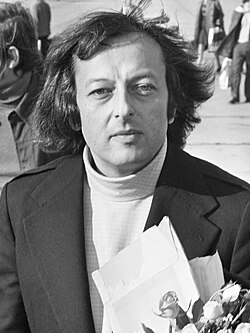
André Previn won four times amongst 11 nominations, winning for Gigi (1958), Porgy and Bess (1959), Irma la Douce (1963), and My Fair Lady (1964).

Chronological Highlights of Winners
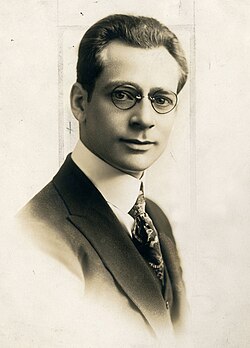
Oliver Wallace won alongside Frank Churchill for Dumbo (1941).

The early years were dominated by studio heads and orchestral masters. Louis Silvers set the precedent in 1934, followed by Erich Korngold's triumph for The Adventures of Robin Hood (1938).
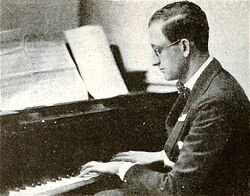
Louis Silvers was the inaugural winner of this category, winning for One Night of Love (1934).

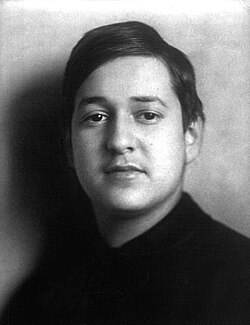
Erich Korngold won for The Adventures of Robin Hood (1938).

As the industry progressed, the 1940s and 50s saw the rise of Miklós Rózsa, who won three times for films like Ben-Hur (1959), and Dimitri Tiomkin, who won for High Noon (1952).
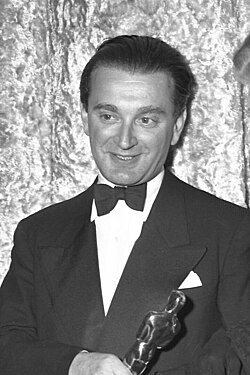
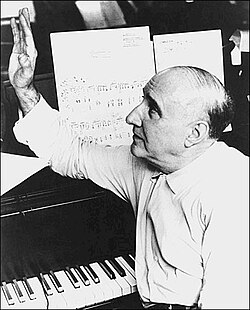
Miklós Rózsa was nominated 16 times winning thrice for Spellbound (1945), A Double Life (1947), and Ben-Hur (1959).

Dimitri Tiomkin won three times amongst 14 nominations, winning for High Noon (1952), The High and the Mighty (1954), and The Old Man and the Sea (1958).

The 1960s and 70s introduced a wider variety of sounds, from the pop sensibilities of The Beatles for Let It Be (1970) to the jazz-influenced work of Henry Mancini for Breakfast at Tiffany's (1961).
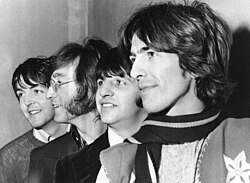
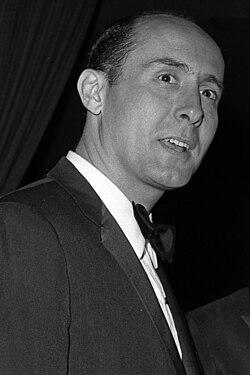
The Beatles won for Let It Be (1970).

Henry Mancini won twice for Breakfast at Tiffany's (1961) and Victor/Victoria (1982).

In the modern era, the award has embraced global sounds and electronic innovation. Notable winners include A.R. Rahman for Slumdog Millionaire (2008), Trent Reznor and Atticus Ross for The Social Network (2010), and the recent success of Ludwig Göransson for Oppenheimer (2023) and Sinners (2025).
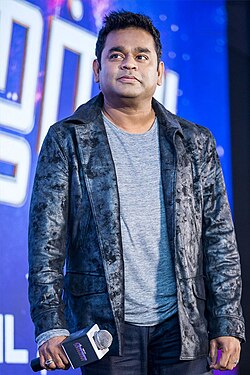
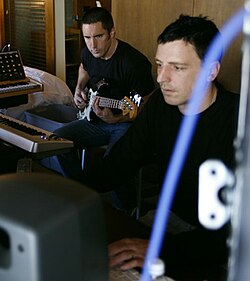
A.R. Rahman won for Slumdog Millionaire (2008).

Trent Reznor and Atticus Ross won twice for The Social Network (2010) and Soul (2020).

Ludwig Göransson won three times for Black Panther (2018), Oppenheimer (2023), and Sinners (2025).

Summary of Top Award Recipients
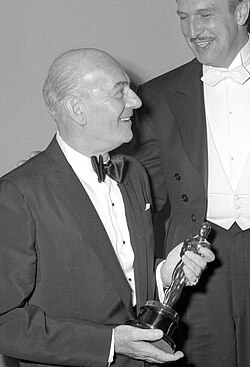
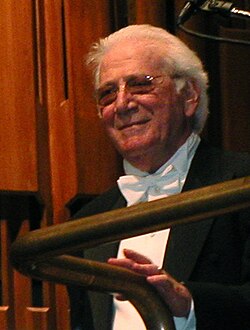
Morris Stoloff won this award twice, his first win alongside Carmen Dragon for Cover Girl (1944), and his second alongside Harry Sukman for Song Without End (1960).
Top Performers in the Best Original Score Category
Composer Total Wins Total Nominations Notable Work
Alfred Newman 9 43 The Song of Bernadette
John Williams 5 49 Star Wars
Johnny Green 4 12 Oliver!
André Previn 4 11 Gigi
Alan Menken 4 5 The Little Mermaid

Frequently Asked Questions
Carmen Dragon won alongside Morris Stoloff for Cover Girl (1944).
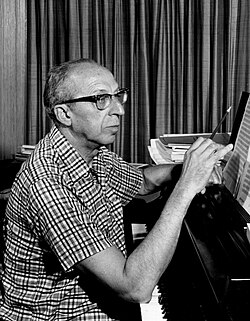
Aaron Copland won for The Heiress (1949.)
Johnny Green won for four times in this category: Easter Parade (1948) with Roger Edens, An American in Paris (1951) with Saul Chaplin, West Side Story (1961) alongside Saul Chaplin, Irwin Kostal and Sid Ramin, and Oliver! (1968).
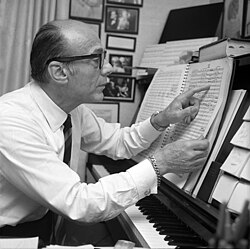
Elmer Bernstein was nominated 10 times, winning only once for Thoroughly Modern Millie (1967).
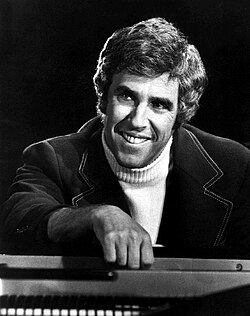
Burt Bacharach won for Butch Cassidy and the Sundance Kid (1969).
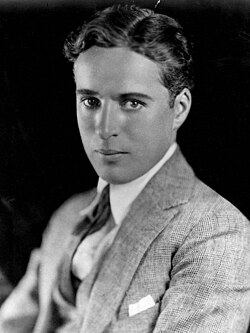
Charlie Chaplin won for Limelight (1971).
Ralph Burns won for Cabaret (1972).
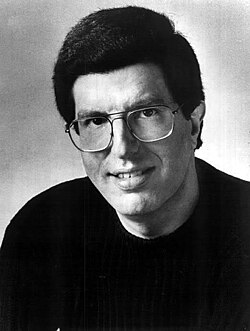
Marvin Hamlisch won twice in the same year for The Way We Were and The Sting both in 1973.
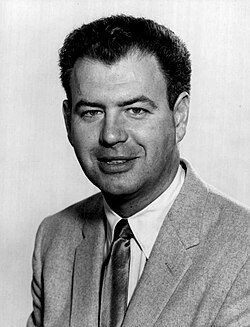
Nelson Riddle won for The Great Gatsby (1974).
Nino Rota won for The Godfather Part II (1974).
Jerry Goldsmith won for The Omen (1976).
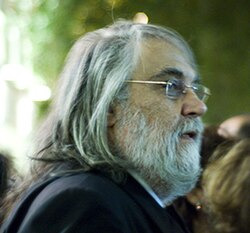
Vangelis won for Chariots of Fire (1981).
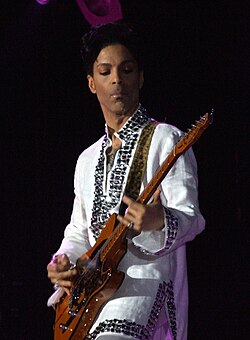
Prince won for Purple Rain (1985).
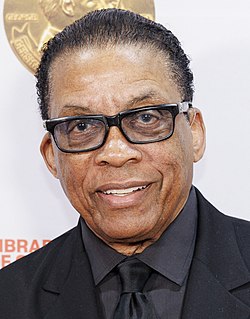
Herbie Hancock won for Round Midnight (1986).
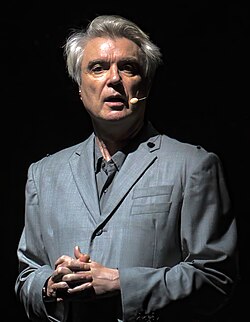
David Byrne won for The Last Emperor (1987).
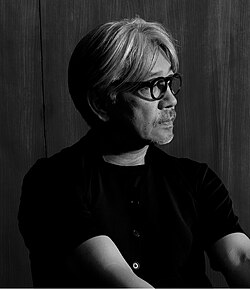
Ryuichi Sakamoto won for The Last Emperor (1987).
Dave Grusin won for The Milagro Beanfield War (1988).
Alan Menken won four times for The Little Mermaid (1989), Beauty and the Beast (1991), Aladdin (1992), and Pocahontas (1995).
Hans Zimmer won twice for The Lion King (1994) and Dune (2021).
Stephen Schwartz won for Pocahontas (1995).
James Horner won for Titanic (1997).
Anne Dudley won for The Full Monty (1997).
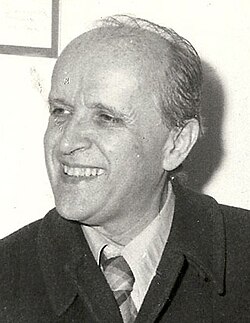
Nicola Piovani won for Life is Beautiful (1998).
Tan Dun won for Crouching Tiger, Hidden Dragon (2000).
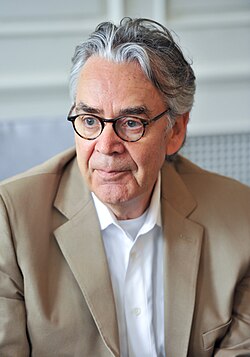
Howard Shore won twice for The Lord of the Rings: The Fellowship of the Ring (2001) and The Lord of the Rings: The Return of the King (2003).
Elliot Goldenthal won for Frida (2002).
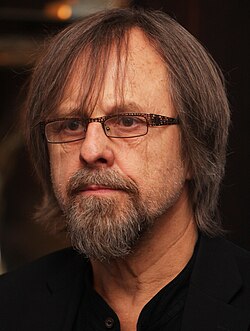
Jan A.P. Kaczmarek won for Finding Neverland (2004).
Gustavo Santaolalla won twice consecutively for Brokeback Mountain (2005) and Babel (2006).
Michael Giacchino won for Up (2009).
Ludovic Bource won for The Artist (2011).
Mychael Danna won for Life of Pi (2012).
Steven Price won for Gravity (2013).
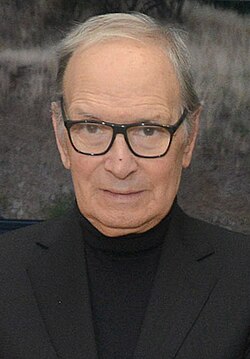
Ennio Morricone won for The Hateful Eight (2015).
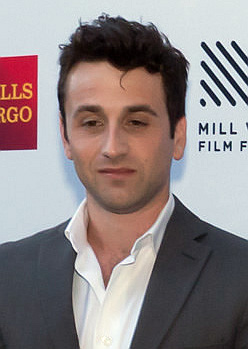
Justin Hurwitz won for La La Land (2016).
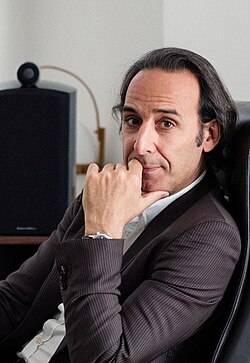
Alexandre Desplat won twice for The Grand Budapest Hotel (2014) and The Shape of Water (2017).
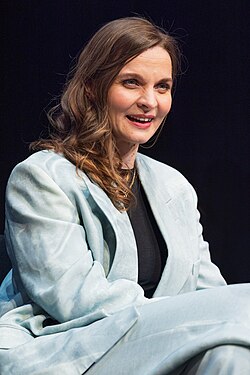
Hildur Guðnadóttir won for Joker (2019).
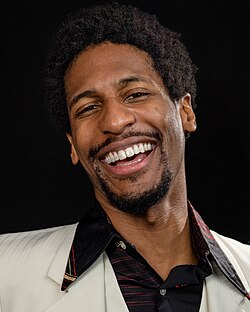
Jon Batiste won alongside Trent Reznor and Atticus Ross for Soul (2020).
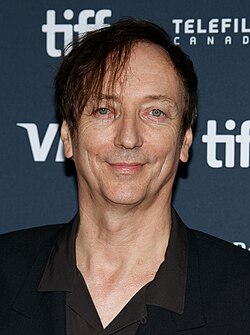
Volker Bertelmann won for All Quiet on the Western Front (2022).
Daniel Blumberg won for The Brutalist (2024).

Who has won the most Academy Awards for Best Original Score?

Alfred Newman holds the record for the most wins in this category, with a total of 9 awards.

Who is the most nominated composer in the history of the award?

John Williams is the most nominated composer, having received 49 nominations throughout his career.

What is the difference between a dramatic score and a musical score in the Oscars?

A dramatic score is generally original music written to support the film's mood and action, while a musical score often involves the adaptation or treatment of songs within a musical film.

Has any artist won two awards in a single year?

Yes, Marvin Hamlisch won twice in 1973 for The Way We Were and The Sting.

Who is the most recent winner of the award?

The most recent winner listed is Daniel Blumberg for The Brutalist (2024), with Ludwig Göransson also recognized for Sinners (2025).

References

  1. From 1934 until 1937, nominated films were represented by the head of the film studio's music department rather than the composer. Each film's actual composer(s) are listed in parentheses.
  2. Captain Blood was not officially nominated for this award, but appears in Academy records because it placed third in voting as a write-in candidate in 1935.
  3. From 1937 until 1945, film studios could submit one eligible film of their choosing, guaranteeing it a nomination.
  4. Blacklisted composer Larry Adler's name was removed from American prints of the British-made Genevieve. The film's arranger and orchestrator Muir Mathieson was credited instead and received an Oscar nomination. In 1986, the Academy's Board of Governors removed Mathieson's name from the nomination and gave it to Adler.
  5. In 1957, dramatic and comedy films competed with musicals in a combined category called Music – Scoring. Fifteen scores were shortlisted with ten from dramatic and comedy films and five from musicals. Voting resulted in no musical nominees.